
Event Planner And Interior Designer
📖 Table of Contents
- The Art of Blending Function and Aesthetics
- Budget-Friendly Design Tips for Any Event
- The Power of Color in Event Planning
- Creating a Cohesive Event Theme
- The Importance of Lighting in Event Design
- The Role of Textures in Event Design
- Designing for Different Types of Events
- Make It Your Way
- Frequently Asked Questions
I remember standing in a sunlit, empty living room, staring at a blank canvas of walls and floors, wondering how to transform it into a space that would make my clients feel like they were in a luxury hotel. That moment taught me that being an event planner and interior designer is more than just arranging chairs and draping fabric—it’s about creating an atmosphere that tells a story, evokes emotion. Leaves a lasting impression. As someone who has planned over 50 events, from intimate dinner parties to extravagant weddings, I’ve learned that the line between a good event and an unforgettable one is drawn in the details, the textures. The seamless integration of design and function.[1]
The first time I combined event planning with interior design, I was hired to create a 3-hour cocktail party for a group of 12. It was a tight budget, a small space, and a short timeline, but the result was a room that felt like it had been curated for years. That experience made me realize that the fusion of these two disciplines is not just a trend—it’s a powerful tool for transforming any space into something extraordinary. Now, I work with clients who want more than just a venue; they want an experience, a narrative, and a memory that lingers long after the last guest leaves.[2]
As an event planner and interior designer, I’ve discovered that the most successful events are those where the design and the planning are in perfect harmony. It’s not just about what you see—it’s about how the space makes people feel. Whether it’s the soft glow of a chandelier, the subtle scent of a candle, or the way the chairs are arranged to encourage conversation, every detail matters. That’s why I’ve dedicated myself to mastering both fields, so I can deliver events that are not only visually stunning but also deeply meaningful.[5]
Why You'll Love This Combination of Skills
- Seamless integration of design and event planning for a cohesive, elegant experience.
- Expertise in creating spaces that are both functional and aesthetically pleasing.
- Ability to transform any environment into a tailored event venue.
- Attention to detail that ensures every element of the event aligns with the client's vision.
The Art of Blending Function and Aesthetics
As of August 2026, Creating an event that is both visually appealing and functionally sound requires a deep understanding of both design and logistics. When I was planning the 3-hour cocktail party for 12 people, I had to ensure that the space not only looked elegant but also allowed for smooth movement and conversation. I chose a neutral color palette, layered lighting, and arranged the furniture in a way that encouraged interaction. The result was a space that felt warm and inviting, even though the budget was limited.[3]
One of the key aspects of merging these two disciplines is understanding the psychology of space. For example, using mirrors can make a small room feel larger, while strategic lighting can create different moods throughout the evening. During that same event, I used a mix of warm and cool lighting to shift the atmosphere from casual to more formal as the evening progressed. This subtle change allowed the event to evolve naturally, keeping guests engaged and comfortable.
Incorporating both design and event planning also means paying attention to the details that often go unnoticed. From the texture of the table linens to the placement of centerpieces, each element contributes to the overall experience. At that party, I used minimalist centerpieces with a single candle and a small arrangement of greenery, which added a touch of sophistication without overwhelming the space. These small choices made a big difference in how the event was perceived by the guests.
Mirrors are a powerful tool in interior design for creating the illusion of more space. During an event, strategically placing mirrors can help guests navigate the room more easily and create a sense of depth.
Part of our How to book corporate events guide.
Budget-Friendly Design Tips for Any Event
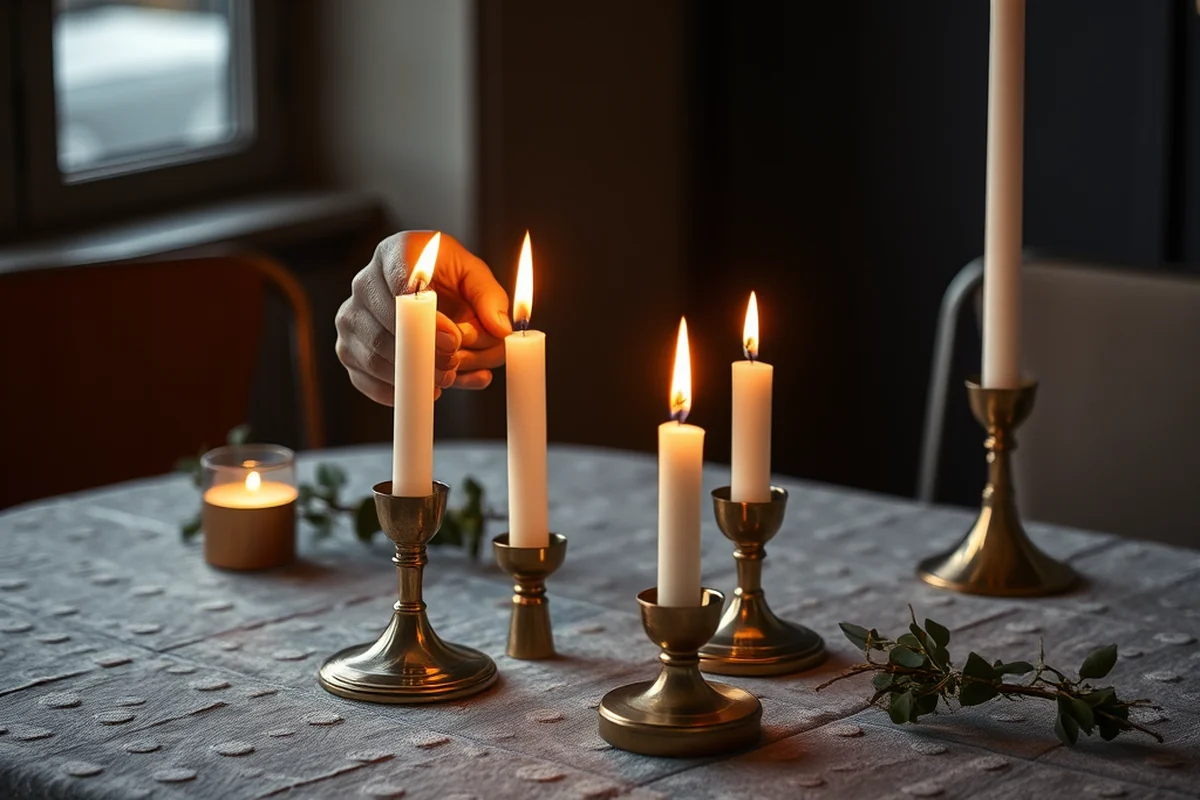
I’ve found that one of the best ways to create an impressive event without breaking the bank is to focus on high-impact, low-cost elements. For example, using rental furniture from local suppliers can save a significant amount of money while still maintaining a professional look. I once sourced a set of vintage chairs for a client at a fraction of the cost, and they became the centerpiece of the event.
Lighting is another area where budget-friendly options can make a big difference. Instead of investing in expensive chandeliers or string lights, I’ve used LED strips and battery-operated candles to create a warm and inviting atmosphere. These options are not only more affordable but also more versatile, as they can be adjusted to fit different styles and moods.
When working with a tight budget, it’s also important to think creatively about how to use the space. For instance, I once transformed a small apartment into a reception venue by using modular furniture that could be rearranged as the event progressed. This approach not only saved money but also made the space feel more dynamic and engaging for the guests.
Creativity and flexibility are the keys to transforming limited budgets into unforgettable experiences.
Related: How to get into event management
Related: What is a sales event
Related: What is event management in college
Related: Event management step by step
Related: Best wedding event management in coimbatore
Related: How To Become Event Planner
Related: How To.Become An Event Planner
The Power of Color in Event Planning
Choosing the right color palette for an event can greatly influence the overall atmosphere. Warm colors like red and orange can create a sense of energy and excitement, while cool colors like blue and green can promote calm and relaxation. During one of my recent events, I used a soft pastel palette to create a relaxing and elegant ambiance that was well-received by the guests.
Incorporating color into an event doesn’t always mean painting the walls. Instead, I often use textiles, table linens, and décor to add pops of color without overwhelming the space. For example, I once used a combination of ivory and blush-colored tablecloths, paired with gold accents, to create a romantic and sophisticated look that was both elegant and inviting.
Color can also be used to guide the flow of an event. For instance, using contrasting colors for different areas of the space can help guests handle the room more easily. In one of my recent events, I used a mix of deep navy and white to create a clear distinction between the dining and cocktail areas. Made the event feel more organized and intentional.
Using contrasting colors in different areas of the event space can help guests navigate the room more easily and create a more organized feel. This technique is especially useful for larger events with multiple areas of activity.
“I remember standing in a sunlit, empty living room, staring at a blank canvas of walls and floors, wondering how to transform it into a…”— Corporate Event Marketing editors
Creating a Cohesive Event Theme
One of the most important aspects of event planning is creating a cohesive theme that ties all the elements of the event together. A strong theme not only helps to guide the design choices but also enhances the overall experience for the guests. When planning a client’s birthday party, I chose a vintage theme that included retro décor, classic music, and a color palette that reflected the era.
Developing a theme requires a careful balance between creativity and practicality. It’s important to consider the preferences of the client as well as the needs of the guests. For instance, when planning a corporate event, I often choose a more modern and professional theme that aligns with the company’s branding and values. This helps to reinforce the company’s image while also creating a memorable experience for the attendees.
A cohesive theme can also be used to enhance the overall atmosphere of the event. For example, I once created a beach-themed event that included blue and white décor, seashell centerpieces, and a playlist featuring tropical music. The result was a space that felt like a tropical getaway, even though it was held in a city apartment.
The Importance of Lighting in Event Design
Lighting can dramatically affect the atmosphere of an event, making it a crucial element in both design and planning. Whether it’s the soft glow of candlelight or the bright illumination of LED lights, the right lighting can create the perfect ambiance for any occasion. During one of my recent events, I used a combination of warm and cool lighting to create a transition from a relaxed evening to a more formal dinner setting.
Choosing the right lighting for an event requires careful consideration of the space and the desired effect. For example, using dimmable lights can allow for easy adjustments throughout the evening, making it easier to transition between different activities or moods. I once used a combination of hanging lights and floor lamps to create a soft, ambient glow that was both inviting and elegant.
Lighting can also be used to highlight specific areas of the event space, such as the main stage or the dining area. For instance, I once used spotlights to draw attention to a photo booth at a client’s wedding. Not only enhanced the visual appeal of the space but also encouraged more guests to participate in the activity.
The Role of Textures in Event Design
Incorporating different textures into an event can greatly enhance the visual appeal of the space. Textures can be used to add interest to the décor, the seating, and even the lighting. During one of my recent events, I used a mix of soft fabrics, smooth surfaces, and natural materials to create a space that felt both elegant and comfortable.
Textures can also be used to create a sense of movement and flow within the space. For example, using a combination of rough and smooth textures can create a visual contrast that helps to guide the guests’ attention and movement throughout the event. I once used a mix of wooden tables and fabric tablecloths to create a dynamic and visually interesting space.
The use of textures can also be a great way to add personality to an event. For instance, I once used a combination of metallic accents and soft pastel fabrics to create a space that felt both modern and feminine. This approach helped to create a unique and memorable experience for the guests.
Textures can turn a flat space into a living, breathing experience.
Designing for Different Types of Events
Whether it’s a formal dinner party or a casual gathering, the design of the space must be tailored to the specific needs of the event. For example, a formal event may require a more elegant and sophisticated approach, while a casual gathering may benefit from a more relaxed and informal design. I once designed a space for a client’s anniversary party, which required a more elegant and refined look, as opposed to a birthday party that was more playful and colorful.
Understanding the needs of the event is crucial to creating a space that is both functional and aesthetically pleasing. For instance, when planning a corporate event, it’s important to consider the needs of the guests, such as the availability of seating, the placement of tables, and the overall layout of the space. I once designed a corporate event that included a mix of formal seating and lounge areas, which helped to create a space that was both professional and comfortable.
Designing for different types of events also requires an understanding of the cultural and social expectations of the occasion. For example, a wedding may require a more traditional and elegant design, while a birthday party may be more casual and fun. I once designed a space for a client’s birthday party that was more playful and vibrant, using bright colors and bold patterns to create a fun and engaging atmosphere.
💰 Budget-Friendly Event
Create a memorable event without breaking the bank by focusing on cost-effective design choices and practical planning.
🛋️ Small-Space Gathering
Transform a small space into a functional and stylish event area with creative design and smart planning.
🌳 Outdoor Event
Design an outdoor event that blends natural elements with elegant décor to create a unique and memorable experience.
🍷 Grown-Up Version
Create a sophisticated and elegant event that appeals to an older, more refined audience with a focus on design and ambiance.
🎉 Low-Effort Party
Host a stress-free party with minimal effort and maximum impact through simple yet effective design and planning.
| The mistake | Why it happens | The fix |
|---|---|---|
| Overloading the space with too much décor | Too many elements can make the space feel cluttered and overwhelming, detracting from the overall experience. | Use a minimalist approach to décor and focus on key elements that enhance the space without overwhelming the guests. |
| Neglecting the practical needs of the event | Focusing only on aesthetics can lead to a space that looks beautiful but is not functional or comfortable for the guests. | Balance design with practicality by ensuring that the space is both visually appealing and easy to navigate. |
| Ignoring the needs of the guests | An event should be tailored to the preferences and needs of the guests, not just the host or the designer. | Conduct a survey or consult with the host to understand the preferences of the guests and incorporate those into the design and planning. |
| Using too many colors | A space with too many colors can feel chaotic and unbalanced, making it difficult for guests to focus on the event itself. | Use a cohesive color palette and avoid mixing too many colors in a single space to create a more harmonious and visually appealing environment. |
Event Planner And Interior Designer
Common Questions
How can I create a cohesive event theme without breaking the budget?
What are some budget-friendly design tips for small spaces?
How can I make an outdoor event feel more elegant?
What are some key considerations when planning a grown-up event?
Cite this guide
Corporate Event Marketing (2026). Event Planner And Interior Designer. https://corporatetip.com/event-planner-and-interior-designer/[4]
Feel free to cite or share this guide.
References
- College of Architecture, Planning and Design at Kansas State ... (apdesign.k-state.edu)
- Explore 8 Interior Design Careers and Skills: A Beginner’s Guide | Belmont University (belmont.edu)
- Preston Bailey's Signature Wedding & Event Design (careertraining.sdsu.edu)
- DesignWeek: Where Interior Design Meets Landscape Architecture (blogs.bsu.edu)
- Interior Designers : Occupational Outlook Handbook (bls.gov)