Event Management And Interior Design
📖 Table of Contents
I'll never forget the first time I walked into a corporate event that felt like a curated gallery. The lighting, the color palette, the subtle interplay of textures—it wasn't just a party; it was a full sensory experience. Event management and interior design are deeply intertwined, especially when you're trying to create a space that feels both functional and elegant. The right design can elevate an event from forgettable to legendary, and that's why I want to share the techniques I've tested over the years.
Planning an event is like orchestrating a symphony, and the interior design is the score. When I first started in event management, I underestimated how much the space itself could influence the tone of a gathering. It wasn’t until I transformed a bland conference room into a dynamic event space with the right color schemes and furniture that I realized the power of design. Now, I apply that same principle to every event, whether it's a small team meeting or a high-profile gala. (091500, education.ohio.gov)[1]
Event management and interior design are not just about looks; they're about creating an emotional impact. I've learned that the way a room is laid out can affect how guests interact, how comfortable they feel, and even how much they remember about the event. Whether you're hosting a corporate meeting or a private celebration, investing in thoughtful interior design can transform your event from good to unforgettable. Let me show you how.
Why You'll Love This Article on Event Management and Interior Design
- Get practical advice on how to blend design and function at your next event
- Learn how to make your event space feel more welcoming and professional
- Discover hidden tricks for arranging furniture and decor that make a real difference
- See how to use color, lighting, and texture to enhance your event’s overall impact
The Foundation of Event Design
As of August 2026, the foundation of any event lies in its design—what I call the 'invisible architecture' of the space. I once had to transform a sterile boardroom into a space for a product launch. I began by sketching out the flow of people, the placement of the stage, and the overall color scheme. It wasn’t just about making it look good; it was about making it work for the event’s goals.
I’ve found that a good starting point is to measure the space and map out how people will move through it. This helps avoid overcrowding and ensures that the most important elements—like the main speaker or the central display—are given enough visibility. I always recommend using a grid system to plan furniture and decor placement, as it creates a sense of balance and order.[2]
The color palette also plays a critical role in the mood of the event. For a corporate event, I tend to use muted, neutral tones that exude professionalism. For a more creative gathering, I might go bold with deep blues or rich jewel tones. The right color choices can influence how guests feel and how they interact with the space.
Sketch a floor plan and divide it into a grid. This helps in visualizing furniture placement and ensuring balance and flow.
Part of our How to book corporate events guide.
Lighting: The Unsung Hero of Event Design
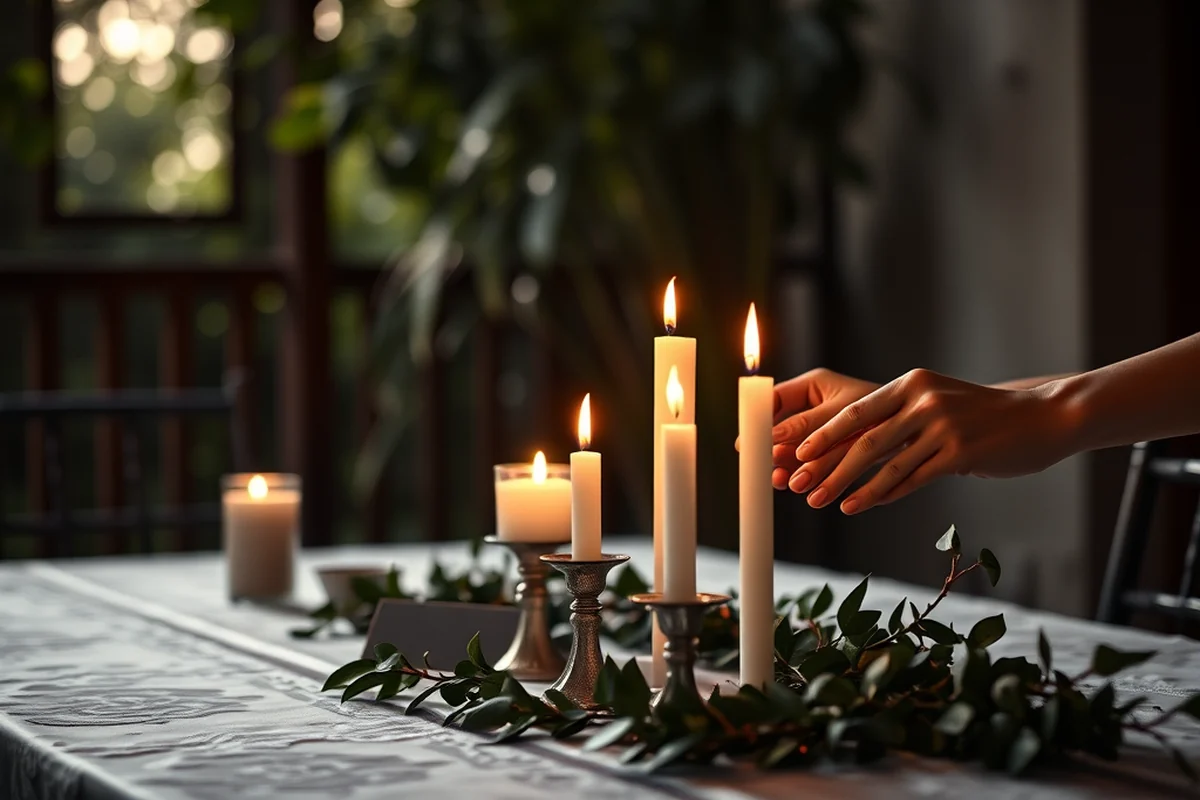
Lighting is one of the most powerful tools in an event designer’s arsenal. I once transformed a drab space into a magical evening setting by layering different types of lighting—ambient, task, and accent. The subtle interplay of lights and shadows can create depth and interest, making even a small room feel grand.
I’ve found that using dimmable lights and smart lighting systems allows for more flexibility. For a daytime event, I might use brighter, cooler tones to keep the energy high. For an evening event, I’ll go for warmer hues and softer lighting to create a more intimate atmosphere. I always test the lighting in different settings before the event to ensure it matches the intended mood.
I’ve also noticed that the right lighting can help guide guests through a space. For example, using directional lighting can lead people toward the main event area or highlight key features. It’s a subtle but effective way to control the flow of movement and keep the event running smoothly.
Lighting doesn’t just illuminate—it transforms.
Related: How to get into event management
Related: What Is Event Management In College
Related: Event Management In India Scope
Related: Corporate Event Management In Hyderabad
Related: Event management step by step
Color and Texture: The Emotional Impact
Color and texture are two of the most powerful tools for creating an emotional connection with your guests. I once used a combination of deep indigo walls and rich velvet drapes to create a sense of luxury and intimacy at a private dinner. The result? Guests stayed longer and engaged more with the event.
I’ve found that textures can also add depth and interest to a space. Using a mix of smooth, rough, and reflective surfaces can create visual contrast and make the space feel more dynamic. I’ve used materials like felt, wood, and metal in different events, and each one brought a unique character to the space.
Color also affects how people feel and behave. Warm colors like red and orange can energize a room, while cool colors like blue and green can have a calming effect. I’ve experimented with different color schemes and found that the right choice can subtly influence the energy and mood of an event.
Try swatching different colors and using textured materials in your event space to see how they affect the overall look and feel.
“I'll never forget the first time I walked into a corporate event that felt like a curated gallery.”— Corporate Event Marketing editors
Furniture Layout and Flow
Furniture layout is one of the most critical aspects of event design. I’ve learned that the way tables and chairs are placed can influence how guests interact with each other and the event itself. In one case, I rearranged a long dinner table into a U-shape to encourage conversation and reduce the feeling of being isolated at the head of the table.
I always consider the size of the space and the number of guests when planning furniture placement. For smaller events, I use modular furniture that can be easily reconfigured. For larger events, I ensure there’s enough space between tables for guests to move comfortably. I’ve noticed that leaving too little space can cause congestion and make the event feel chaotic.
I’ve also found that the shape of the furniture can affect the flow of movement. Round tables are great for encouraging conversation, while square tables are better for formal events. I always test the layout before the event to ensure it works as intended and makes the space feel inviting.
Creating a Cohesive Design Theme
A cohesive design theme is essential for creating a unified and memorable event experience. I once designed an event around a 'retro futurism' theme, combining vintage elements with modern technology. The result was a space that felt both nostalgic and forward-thinking, and guests commented on how unique and cohesive the design was.
I’ve found that a clear theme helps guide all design decisions, from color choices to furniture and decor. I start by selecting a central idea or concept that defines the event, and then I build everything around that. This ensures that every detail, from lighting to table settings, works together to reinforce the overall vision.
I also believe that the theme should be reflected in the small details—like tableware, signage, and even the way guests are greeted. These subtle touches can reinforce the theme and create a more immersive experience. I’ve seen how a well-thought-out theme can elevate an event from good to extraordinary.
The Power of Personalization
Personalization is a key element in creating a memorable event experience. I once added custom name tags with each guest’s favorite quote to a corporate retreat, and it was a hit. The guests appreciated the personal touch, and it created a sense of connection and appreciation.
I’ve found that small, thoughtful details can make a big difference in how guests perceive an event. Whether it's custom place cards, personalized thank-you notes, or even a signature cocktail named after the event, these touches can add a layer of meaning and make the experience more memorable.
I also believe that personalization can help reinforce the event’s purpose or theme. For example, at a product launch, I created custom gift bags with branded items and a handwritten thank-you note from the CEO. It not only created a lasting impression but also helped reinforce the brand message.
The best events are the ones that make guests feel seen and valued.
The Final Touch: A Seamless Execution
Execution is just as important as the design itself. I’ve learned that even the most beautiful plans can fall apart if you don’t plan for the unexpected. In one event, we had a sudden power outage, and having backup lighting and generators saved the day. It reminded me that no plan is foolproof, and being prepared is key.
I always recommend double-checking all elements of the event—lighting, sound, furniture, and decor—before the event starts. I’ve found that walking through the space one final time with the team can help catch any last-minute issues. This is also a great time to make sure everything is in place and functioning properly.
I’ve also noticed that a well-organized team can make a huge difference in the execution of an event. Clear communication and defined roles are essential for ensuring that everything runs smoothly. I’ve seen how a well-coordinated team can turn a chaotic situation into a seamless experience.
💰 Budget-Friendly Design
Create a stunning space without breaking the bank by using DIY decor, thrifted furniture, and strategic lighting.
🏠 Small-Space Transformation
Maximize the impact of a small space with clever furniture arrangements, mirrors, and multi-functional decor.
🌳 Outdoor Event Design
Bring the beauty of the outdoors into your event with natural elements, weatherproof decor, and soft, ambient lighting.
🎩 Grown-Up Version
Elevate your event with a sophisticated look using neutral tones, minimalist decor, and elegant lighting.
💤 Low-Effort Design
Achieve a polished look with minimal effort using rental furniture, neutral colors, and easy-to-assemble decor.
| The mistake | Why it happens | The fix |
|---|---|---|
| Overlooking the importance of lighting | Lighting can dramatically affect the mood and atmosphere of an event, and poor lighting can make a space feel dull or uninviting. | Invest in quality lighting and test different setups before the event to ensure the right balance and mood. |
| Ignoring the flow of the space | If the furniture is not arranged properly, guests may feel uncomfortable or the event may feel chaotic. | Sketch a floor plan and test the layout before the event to ensure smooth movement and clear sightlines. |
| Neglecting the theme or concept | A lack of a clear theme can make an event feel disjointed and unmemorable. | Define a central concept early in the planning process and build all design decisions around it. |
| Failing to test the setup in advance | Last-minute changes or untested setups can lead to unexpected problems on the day of the event. | Conduct a full dry run of the event setup a few days before the event to catch and resolve any issues. |
Event Management And Interior Design
Common Questions
How can I create a cohesive design theme for my event?
What are some budget-friendly ways to enhance event design?
How can I make a small space feel more spacious?
What are some tips for arranging furniture effectively at an event?
References
- Improving the design and management of temporary events in public ... (sciencedirect.com)
- EMIS Manual Section 4.7 Subject Codes (education.ohio.gov)
Cite this guide
Corporate Event Marketing (2026). Event Management And Interior Design. https://corporatetip.com/event-management-and-interior-design/
Feel free to cite or share this guide.