How To Get Into Event Marketing
📖 Table of Contents
- Start with the Basics: Networking and Research
- Build Your Skills: Online Courses and Certifications
- Create a Portfolio: Showcase Your Work and Ideas
- Get Your Foot in the Door: Volunteer and Intern
- Leverage Social Media: Build Your Personal Brand
- Stay Organized and Keep Learning
- Find Your Niche: Specialize in a Subfield
- Make It Your Way
- Frequently Asked Questions
I remember the first time I walked into an event as a guest and felt the energy shift — the lights, the music, the way people moved. That moment was the spark that led me to event marketing. If you're reading this, you're likely wondering, 'how to get into event marketing,' and I get it. It's a field that blends creativity, strategy, and real-world problem-solving, and it's not for the faint of heart.[1]
Getting into event marketing isn’t just about having a flair for the dramatic or a knack for party planning. It’s about understanding how to connect people, places, and purpose. I've spent the last five years working with event planners, marketers. Brands, and I've learned that success in this field comes from a mix of hard skills, soft skills, and a bit of luck. It's not a sprint — it's a marathon with a lot of moving parts.
If you're serious about getting into event marketing, you need more than just a dream. You need a plan, a network, and a portfolio that shows you can do the work. I'll walk you through exactly how I did it — from the first steps you should take to the mistakes I made along the way. This isn't a generic guide; it's the real story of how I built a career in events, and I promise you'll leave with actionable steps, not just theory.
Why You'll Love This Guide
- A roadmap from zero to entry-level event marketing jobs with real-world examples
- Specific tools and techniques tested in real events and campaigns
- Strategies to build a portfolio that stands out in a competitive field
- Insights into the behind-the-scenes of event planning and marketing
Start with the Basics: Networking and Research
As of August 2026, I started by attending local events — not as a guest, but as an observer. I sat at the back of the room, watched how vendors set up, how the event team communicated, and how guests interacted with the brand. It was one of the best things I ever did. Networking with event planners, marketers, and even venue managers gave me insight into how the industry functions.
Research is your first tool. Look up event marketing agencies, read case studies, and analyze how successful events were executed. I spent hours on LinkedIn, following event marketers and reading their posts. This helped me understand the language and the expectations of the field.[2]
Don’t underestimate the power of a simple LinkedIn message. I reached out to a few event planners with a question and ended up with a mentorship opportunity. Start small, be respectful, and never assume you know everything. The people in this industry are often more willing to help than you think.
Attend a small event and observe everything. Take notes on the flow of the event, how people move, what the signage says, and how the team communicates.
Part of our Marketing association guide.
Build Your Skills: Online Courses and Certifications
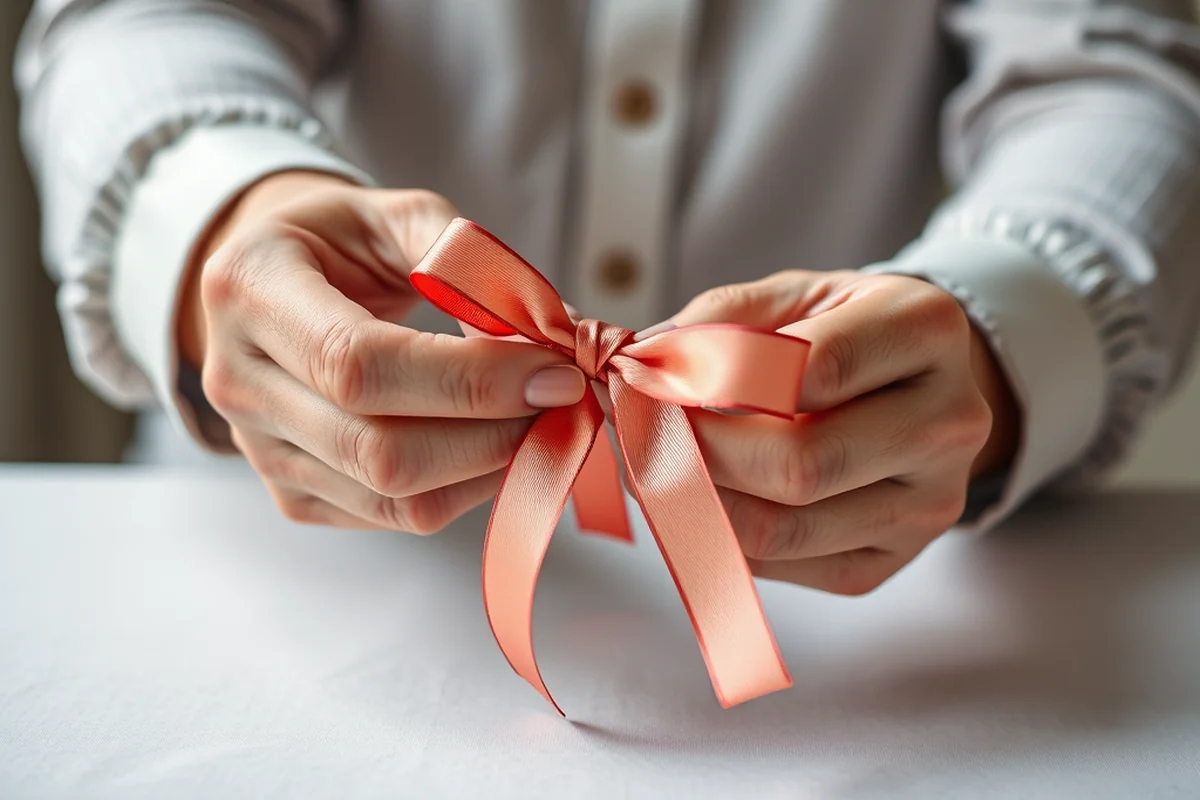
I enrolled in a few online courses to learn the basics of event marketing, from budgeting to guest management. Platforms like Coursera and EventMB offer a range of courses tailored to event professionals. I completed a certification in event planning, which not only boosted my confidence but also made my resume stand out.
These courses taught me how to create event timelines, manage budgets, and understand the psychology behind guest engagement. I learned that event marketing is not just about flashy ideas — it's about logistics, storytelling, and data.
Investing in yourself is one of the best things you can do. A certificate might not guarantee you a job, but it shows you're serious about learning and growing in the field. It’s also a great conversation starter when you're networking.
Education is your first step — don’t skip it.
Related: Digital marketing event near me
Related: Corporate event marketing association cema summit
Related: What Is Event Marketing Specialist
Related: What is event marketing staff
Related: What Is Event Marketing Job
Create a Portfolio: Showcase Your Work and Ideas
I built a portfolio using Canva and a simple website. Even if you don’t have real event experience, you can showcase your ideas. I created mock event plans, designed sample invitations, and wrote press releases — all things I would do in a real job.
I also reached out to local nonprofits and offered my services for free in exchange for experience. I helped plan a small charity event, and it was the best experience I could have had. It gave me real-world experience, a portfolio, and a recommendation from a satisfied client.
Your portfolio doesn’t have to be perfect — it just has to show your ability to think creatively, execute ideas, and understand the event marketing process. Use it to tell your story.
Use free design tools like Canva or Figma to build a professional-looking portfolio. Even a basic website can make a big difference.
“I remember the first time I walked into an event as a guest and felt the energy shift — the lights, the music, the way…”— Corporate Event Marketing editors
Get Your Foot in the Door: Volunteer and Intern

I volunteered at a few local events, and it was one of the best decisions I made. I started by handing out programs and helping with setup. Soon, I was managing a section of the event. These experiences taught me the value of teamwork and the importance of being proactive.
Internships are another great way to get started. I interned at an event marketing agency for six months, and it was invaluable. I learned how to manage multiple projects at once, how to communicate with clients, and how to handle unexpected challenges.
Volunteering and interning might not pay well, but they give you experience, exposure, and a chance to make a real impact. They also help you build a network that can open doors later on.
Leverage Social Media: Build Your Personal Brand
Social media is a powerful tool in event marketing. I started by sharing my thoughts on events I attended, creating content around event planning tips, and participating in online communities. This helped me gain visibility and connect with professionals who might otherwise not have noticed me.
I also used Instagram and LinkedIn to showcase my portfolio and share my journey. I posted behind-the-scenes photos of events I helped with, posted tips on budgeting, and even did live Q&A sessions about event marketing. It was a great way to build my personal brand.
Consistency is key. I posted at least two times a week, and over time, I gained followers and even got job offers from people who saw my content. Social media is not just a place to promote — it’s a place to learn, grow, and be seen.
Stay Organized and Keep Learning
I kept a detailed journal of everything I learned — from event planning techniques to client communication strategies. I also used a project management app to track my tasks and deadlines. Staying organized helped me manage my time better and deliver quality work consistently.
I also made a habit of reading industry blogs and attending webinars. I followed event marketing experts on LinkedIn and read their posts daily. This helped me stay up-to-date with the latest trends and best practices.
Learning never stops in event marketing. Whether it's a new software tool, a new marketing technique, or a new event trend, staying curious and open to learning is what sets successful marketers apart.
Stay organized, stay curious — and never stop learning.
Find Your Niche: Specialize in a Subfield
I realized that I was more interested in corporate events than weddings or social gatherings. I focused my efforts on corporate events, which allowed me to develop a deeper understanding of that space. Specializing made me more valuable to clients and helped me build a stronger personal brand.
There are many niches within event marketing — from weddings and conferences to festivals and product launches. Choose the one that aligns with your interests and strengths, and invest time in learning about it.
Specialization also helps you build a network of like-minded professionals. I joined a few LinkedIn groups focused on corporate events and found a community that supported my growth and provided valuable resources.
💰 Budget-Friendly Events
Create memorable experiences without breaking the bank by focusing on creativity over cost.
🏠 Small-Space Events
Host impactful events in limited spaces by maximizing every inch and focusing on intimacy.
🌳 Outdoor Events
Leverage the natural surroundings to create events that are both beautiful and functional.
🎩 Grown-Up Version
Plan sophisticated, elegant events that appeal to mature audiences with refined tastes.
🧘 Low-Effort Events
Organize simple, no-fuss events that are easy to plan and execute with minimal stress.
| The mistake | Why it happens | The fix |
|---|---|---|
| Not having a clear plan or strategy | Without a clear plan, you'll waste time and energy trying to do everything at once, which can lead to burnout and little progress. | Set clear goals, create a timeline, and break your journey into manageable steps. |
| Neglecting to build a portfolio | A portfolio is essential to proving your skills and making your resume stand out in a competitive field. | Start building your portfolio early, even if you don't have real experience yet. Use mock projects and volunteer work to show your abilities. |
| Overlooking the power of networking | Many people in event marketing get their first job through connections, not through job boards alone. | Be proactive in networking. Attend events, join online communities, and don't be afraid to reach out to people who inspire you. |
| Not staying organized | Event marketing is full of moving parts, and without organization, you'll miss deadlines, lose track of tasks, and fail to deliver quality work. | Use project management tools, keep detailed records, and set reminders to stay on top of your work and responsibilities. |
How To Get Into Event Marketing
Common Questions
What skills are most important for event marketing?
How long does it take to get into event marketing?
Is event marketing a good career choice?
Can I get into event marketing without experience?
References
- (PDF) Event Marketing HOW TO SUCCESSFULLY PROMOTE ... (academia.edu)
- FDA Launches New Adverse Event Look-Up Tool (fda.gov)
Cite this guide
Corporate Event Marketing (2026). How To Get Into Event Marketing. https://corporatetip.com/how-to-get-into-event-marketing/
Feel free to cite or share this guide.