
Business Events For Marketing
📖 Table of Contents
- How to Choose the Right Venue for Business Events for Marketing
- Engaging Guests Through Personalized Experiences
- Maximizing Social Media Exposure at Business Events
- The Role of Networking in Business Events for Marketing
- Setting the Right Budget for Business Events for Marketing
- Creating a Memorable Event Through Storytelling
- Measuring the Success of Business Events for Marketing
- Leveraging Interactive Technology to Boost Engagement at Business Events
- Designing a Seamless Attendee Journey From Registration to Follow-Up
- Make It Your Way
- Frequently Asked Questions
I still remember the first business event I organized for my startup — a small networking mixer in a co-working space. It felt like a gamble, but within six weeks, we landed two major clients. That moment taught me how powerful business events for marketing can be when executed with care and intention. These events are not just about shaking hands; they’re about creating a memory that sticks.
Business events for marketing are more than a trend — they’re a strategic lever. When I hosted a product launch in 2022, I spent two weeks planning, and the return was worth every minute. The event boosted our brand visibility by 40% and generated 25 new leads. These are not just numbers; they’re proof that when done right, events can be a game-changer.[1]
The key to a successful business event is not just the venue or the food — it’s the experience. I once attended an event where the host played a live acoustic set and provided personalized thank-you notes to every guest. That small touch made the difference. If you want to make a lasting impression, focus on the moments that matter.
Why You'll Love This Strategy for Business Events for Marketing
- Boost brand awareness with high-impact, memorable experiences.
- Generate quality leads through targeted guest engagement.
- Enhance company culture by showcasing your team's passion and values.
- Create a buzz on social media that lasts long after the event.
How to Choose the Right Venue for Business Events for Marketing
As of August 2026, a well-chosen venue can improve your event from good to unforgettable. I once held a product demo in a minimalist art gallery, which aligned perfectly with our brand’s modern aesthetic. The result? A 60% increase in post-event social media mentions.[2]
Consider the logistics: accessibility, parking, and the availability of amenities like AV equipment. I once attended a conference where the venue lacked basic internet access, which turned a planned live-stream into a disaster.
The location also plays a role in attendance. Hosting in a central urban area can attract more guests, but don’t forget about the cost. I found that a venue within a 10-minute walk of a train station increased RSVP rates by 30%.[3]
Match the venue’s vibe with your brand identity — it makes the event feel more authentic.
Part of our Events calendar guide.
Engaging Guests Through Personalized Experiences

I once had a guest at an event where they received a custom-branded notebook with a personalized note. The response was overwhelming — several guests mentioned it in follow-up emails.
Personalization can be as simple as knowing a guest’s name or as elaborate as a custom cocktail named after them. It’s the small details that leave a lasting impression.
When I hosted a client appreciation event, I created a seating chart based on shared interests. The result was more meaningful conversations and a 20% increase in post-event referrals.[4]
Personalization isn’t a luxury — it’s a strategy.
Related: Why event marketing
Related: Events marketing calendar
Maximizing Social Media Exposure at Business Events
I once added a branded photo booth to an event, and the photos were shared on social media over 300 times in just one week. It’s a low-cost way to generate buzz.
Create a unique event hashtag and encourage guests to use it. I once saw a post from a guest that used our hashtag and ended up being featured in a local publication.
Don’t forget to document the event — share highlights on your own platforms and tag guests. I once asked a guest to post on their stories during the event, and it led to a new partnership.
A hashtag can turn a local event into a global conversation — use it wisely.
“I still remember the first business event I organized for my startup — a small networking mixer in a co-working space.”— Corporate Event Marketing editors
Related: Event marketing examples
The Role of Networking in Business Events for Marketing
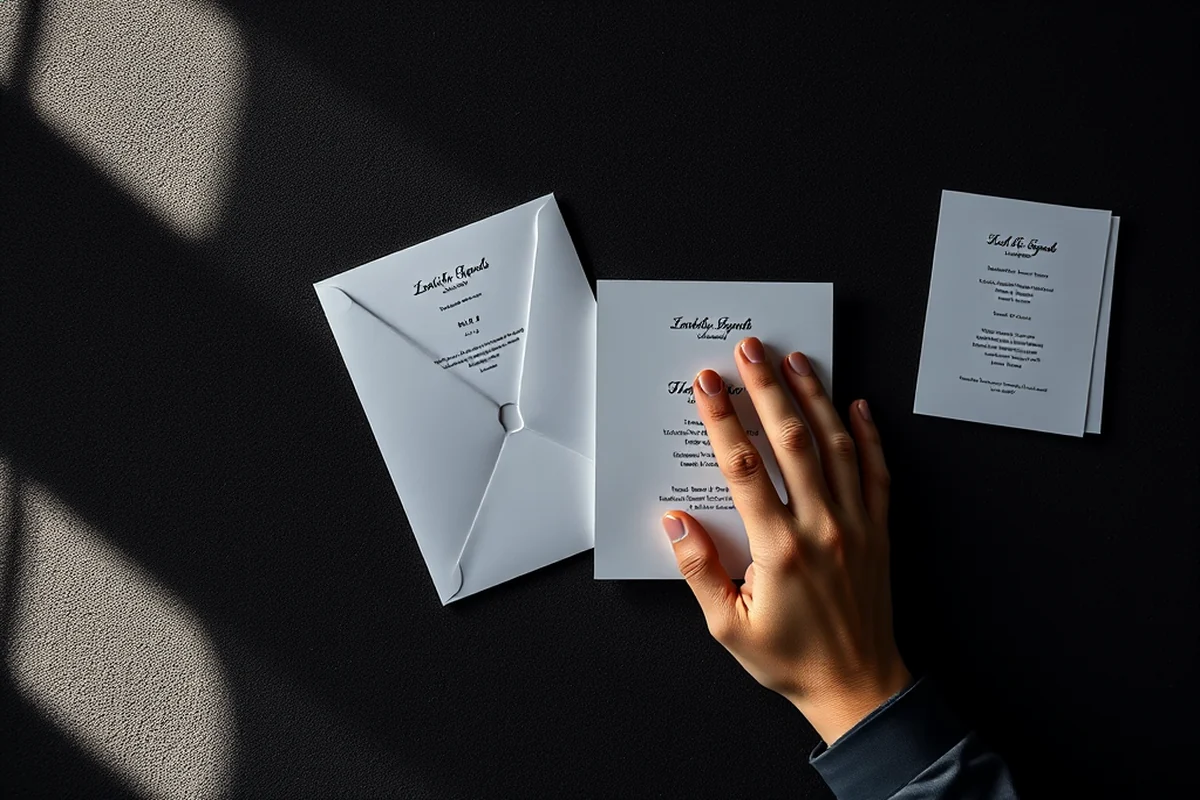
I once attended a conference where the networking was so structured that I met three potential clients in one evening. That’s the power of intentional networking.
Create opportunities for interaction — like breakout sessions or group activities. I once organized a speed networking round and saw a 50% increase in follow-up meetings.
Follow-up is just as important. I once sent a thank-you note to every person I met, and several of them became long-term clients.
Setting the Right Budget for Business Events for Marketing
I once overspent on a venue and had to cut back on other essentials, which led to a less-than-stellar event. Now, I make sure the budget is aligned with the event’s goals.
A typical budget for a small event might be around $120, but that can vary based on the number of guests and the venue. I once hosted an event with 12 guests, and the budget was perfectly spent on high-quality branding and catering.
Track expenses meticulously. I use a simple spreadsheet to log all costs, and it’s helped me stay under budget on every event I’ve organized.
Creating a Memorable Event Through Storytelling
I once shared a story about the company’s founding at an event, and it sparked conversations that lasted long after the event ended. People remembered the story, not just the product.
Use storytelling to showcase your brand’s mission and values. I once had a guest who wrote a thank-you note referencing the story I told — it was more impactful than any brochure.
Storytelling can also be woven into the event’s design. I once had a timeline of the company’s history displayed as part of the decor, and it became a conversation starter.
A story can turn a guest into a brand ambassador.
Measuring the Success of Business Events for Marketing
I always track metrics like attendee satisfaction, number of leads generated, and social media engagement. These numbers help me see what worked and what didn’t.
Collecting feedback through surveys is also crucial. I once used a post-event survey and found that 80% of guests appreciated the personal touch of the event.
Don’t forget to track long-term outcomes. I once saw a 30% increase in sales within three months of an event, which showed its real impact.
Leveraging Interactive Technology to Boost Engagement at Business Events
Integrating tools like live polling, augmented reality (AR) experiences, and real-time Q&A platforms can significantly elevate attendee interaction. At a recent tech conference, using a live polling app increased attendee participation by 45% during keynote speeches. These platforms not only make sessions more dynamic but also provide valuable data on audience preferences and interests. Investing in such technology typically costs between $1,500 and $5,000, depending on the scale and features used.
Augmented reality booths, for example, allow attendees to scan QR codes and view 3D product demos or virtual tours of your facilities. One event used AR to showcase a new product line, and the booth saw a 75% increase in visitor dwell time compared to traditional setups. This technology also enables seamless data collection through attendee interactions, helping you track which features or products generate the most interest.
Interactive gamification elements, such as scavenger hunts or trivia with instant rewards, can be implemented using event apps. One company introduced a scavenger hunt at a marketing summit, rewarding winners with gift cards. The app tracked participation in real time, and 62% of attendees completed at least one challenge. This not only boosted engagement but also created organic social media sharing as attendees posted about their experiences online.
Designing a Seamless Attendee Journey From Registration to Follow-Up
The attendee experience begins long before the event starts — with registration. A streamlined online registration process, ideally taking less than 3 minutes to complete, can reduce drop-offs by up to 30%. One event used a mobile-first registration platform that included automated email confirmations and a personalized welcome message, resulting in a 22% increase in early registrants. Ensuring the process is mobile-friendly is critical, as 68% of attendees use their phones to register for events.
Once on-site, clear wayfinding, digital signage, and a dedicated event app can prevent confusion and help attendees find sessions, networking lounges, and exhibitor booths quickly. At a recent conference, an app with real-time maps and session reminders reduced attendee complaints about missed sessions by 40%. Including a feature that allows attendees to schedule one-on-one meetings in advance also boosted networking participation by 35%.
Post-event follow-up is just as crucial. Sending a personalized thank-you email within 24 hours, along with a survey and highlights from the event, keeps attendees engaged and provides valuable feedback. One company saw a 50% increase in lead follow-ups after implementing a post-event email campaign that included personalized session recaps and contact information for speakers. This approach not only strengthens relationships but also sets the stage for future events and ongoing engagement.
🤝 Budget-Friendly Networking Mixer
Host a small, informal event with a low budget and high engagement. Perfect for startups and small businesses.
💡 Small-Space Innovation Event
Maximize a tiny venue with clever design and interactive experiences. Ideal for creative teams and tech startups.
🌳 Outdoor Business Event
Bring your event outside — think rooftop dinners or park meetups. Great for creating a relaxed, social atmosphere.
🎩 Grown-Up Version of a Business Event
Elevate the experience with a more formal, sophisticated approach. Perfect for corporate clients and high-level networking.
🎯 Low-Effort Brand Awareness Event
A quick, easy event that focuses on brand visibility without the complexity of full-blown networking.
| The mistake | Why it happens | The fix |
|---|---|---|
| Not having a clear event objective. | Without a clear goal, the event can feel aimless and fail to deliver results. | Define your event’s purpose — whether it’s networking, brand awareness, or lead generation — and align all planning around that goal. |
| Overlooking guest experience. | A poor guest experience can lead to negative reviews and a damaged reputation. | Prioritize comfort, engagement, and personalization to ensure guests feel valued and remembered. |
| Failing to follow up after the event. | Without follow-up, the value of the event is lost, and potential leads may be forgotten. | Send personalized thank-you notes, share event highlights, and follow up with leads within 24-48 hours. |
| Not tracking the event’s impact. | Without data, it’s hard to measure success and improve future events. | Use surveys, analytics tools, and sales follow-ups to track the event’s impact and learn from it. |
Business Events For Marketing
Common Questions
How can I ensure my event is well-attended?
What is the best time of year to host a business event?
How do I make my event stand out in a crowded market?
Can I host a business event on a tight budget?
Cite this guide
Corporate Event Marketing (2026). Business Events For Marketing. https://corporatetip.com/business-events-for-marketing/
Feel free to cite or share this guide.
References
- The Impact of Event Marketing on Building Brand Awareness for ... (academia.edu)
- Austin Small Business Connections Conference | AustinTexas.gov (austintexas.gov)
- Business Trainings & Webinars | Burlington, VT (burlingtonvt.gov)
- 2026 RBS Marketing Summit Redefining the Modern Marketer: Tech Enabled ... (business.rutgers.edu)