
What Is Events In History
📖 Table of Contents
- The Significance of Historical Events in Modern Celebrations
- The Role of Events in Shaping Cultural Identity
- How Events in History Influence Modern Party Planning
- The Emotional Impact of Events in History
- The Social Function of Events in History
- How Events in History Influence Future Celebrations
- The Legacy of Events in History
- Make It Your Way
- Frequently Asked Questions
I remember standing in the middle of a grand ballroom, surrounded by guests in tuxedos and gowns, as the orchestra played a lively waltz. That moment wasn’t just about the music or the dancing—it was a living history of social gathering, a tradition that had been passed down through generations. Events in history aren’t just dates on a calendar; they’re the moments that shaped how we celebrate, connect, and remember. Whether it’s a royal coronation or a humble birthday party, these events tell the story of how humans have come together for centuries.[1]
What is events in history? It’s not just the big moments like the Renaissance or the Industrial Revolution; it’s also the smaller, more personal gatherings that have defined culture and society. I’ve attended countless events over the years, from a 1920s speakeasy re-creation to a family reunion that felt like a Renaissance fair. Each one had its own rhythm, its own energy, and its own way of bringing people together. These events are the threads that weave history into our daily lives, even if we don’t always realize it.[2]
As someone who’s spent years organizing events, I’ve learned that the key to understanding what is events in history is looking beyond the spectacle. It’s about the people, the purpose, and the legacy these gatherings leave behind. A simple picnic in the park can carry the same weight as a state funeral, depending on the context. Events in history are the mirror that reflects how we live, how we celebrate, and how we remember. They’re the stories we tell and the traditions we pass down.[3]
Why You'll Love This Deep Dive into Events in History
- Gain a new perspective on how social gatherings shape culture and society.
- Discover the hidden stories behind the most memorable events of the past.
- Learn how to recreate historical events in a modern context.
- Understand the emotional and social impact of events throughout time.
The Significance of Historical Events in Modern Celebrations
As of September 2026, from royal weddings to political summits, historical events leave a lasting impression on how we plan and execute our own gatherings. I once recreated a 19th-century dinner party, complete with formal attire and three-course meals. It was eye-opening to see how much of our modern event culture is rooted in the past. These historical moments give us a blueprint for elegance, formality, and tradition.[4]
By studying events in history, we can better understand the expectations and etiquette of different eras. For example, the Renaissance era’s emphasis on art and music has influenced the way we incorporate entertainment into modern parties. Events in history teach us that even the smallest details, like the placement of a table or the type of music played, can impact the overall experience.
When planning your next event, consider how historical events have shaped the way we celebrate today. Whether it’s a themed party or a formal dinner, drawing from the past can add depth and meaning to your gathering. The influence of historical events is all around us, from the way we decorate to the way we interact with guests.
Look to events in history for ideas on themes, attire, and decor that can elevate your event to a whole new level.
Part of our Events calendar guide.
The Role of Events in Shaping Cultural Identity

Throughout history, events have been the foundation of cultural identity. I remember attending a festival that celebrated a local historical event, and it was incredible to see how the community came together in a way that felt both traditional and modern. These events create a sense of belonging and continuity, linking the past to the present.
Whether it’s a holiday celebration or a historical reenactment, events in history help preserve and pass down cultural traditions. In my experience, events that are rooted in history tend to be more meaningful and engaging for attendees. They provide a shared experience that can be passed down through generations.
For example, the annual reenactment of a famous battle in a small town not only educates visitors but also strengthens the local community’s connection to its history. Events in history are more than just gatherings—they are the threads that bind people together through shared experiences and traditions.
Events in history are the bridges that connect generations through shared identity and experience.
Related: What is event space
How Events in History Influence Modern Party Planning
I’ve found that drawing from historical events can add a unique touch to modern party planning. One of the most memorable events I organized was a 1920s-themed party, where we recreated the look and feel of a speakeasy. It was a hit with guests, who appreciated the attention to detail and the immersive experience.
By studying events in history, planners can learn about the social norms, customs, and etiquette that were common in different eras. For instance, the use of formal invitations, the structure of a dinner party, and even the types of music played all have historical roots. Incorporating these elements into modern events can create a more authentic and engaging experience.
When planning your next event, consider how historical events have influenced modern party planning. Whether it’s a themed dinner or a cultural celebration, understanding the past can help you create a more meaningful and memorable gathering.
Incorporate the customs and etiquette from historical events to create a more authentic and engaging party experience.
“I remember standing in the middle of a grand ballroom, surrounded by guests in tuxedos and gowns, as the orchestra played a lively waltz.”— Corporate Event Marketing editors
Related: What is event rentals
The Emotional Impact of Events in History
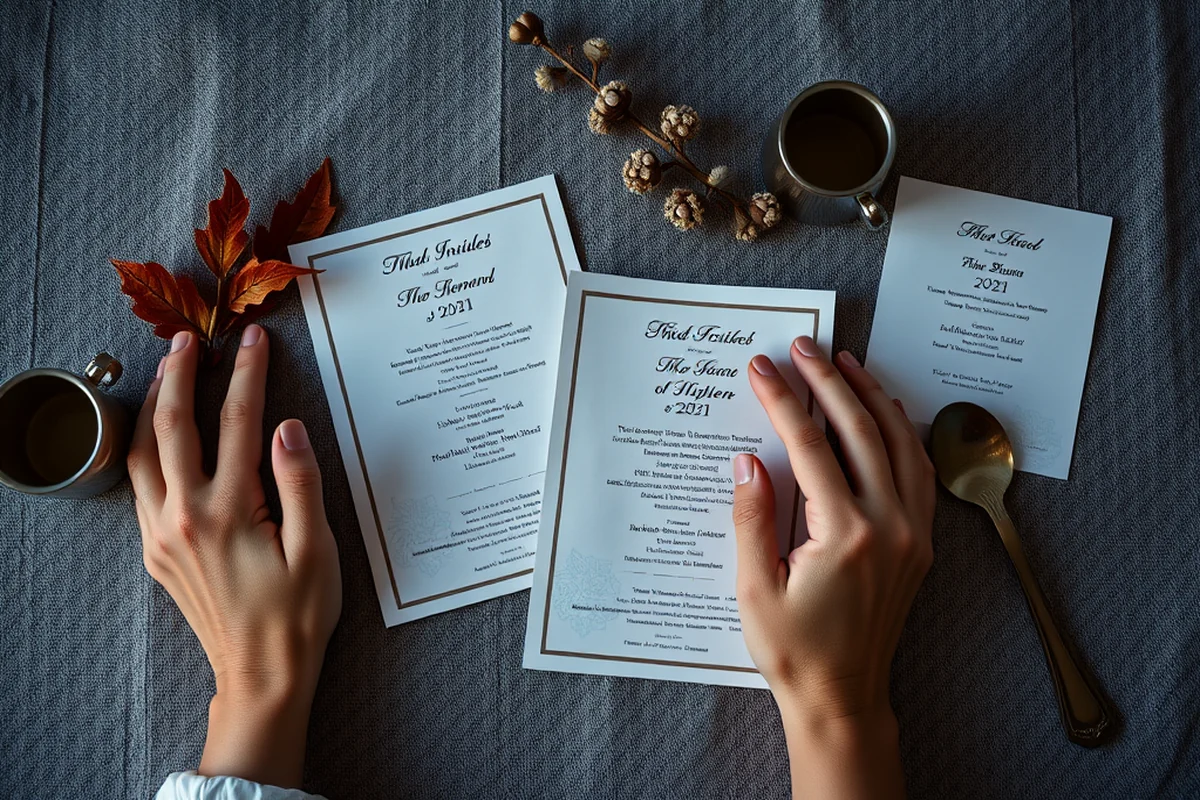
The emotional weight of events in history is something I’ve felt deeply throughout my career in event planning. Whether it’s a commemorative ceremony or a historical reenactment, these events often evoke strong emotions in attendees. I once organized a memorial event that honored a historical figure, and it was incredibly moving to see the impact it had on those in attendance.
Events in history can serve as a powerful reminder of the past, helping individuals and communities connect with their heritage. They provide a sense of closure, reflection, and remembrance, which can be especially important in times of loss or change. These events help people process their emotions in a safe and supportive environment.
From personal milestones to historical commemorations, the emotional impact of events in history is undeniable. Whether you’re planning a family reunion or a cultural festival, understanding the emotional weight of these events can help you create a more meaningful and impactful gathering.
Related: What is event center
The Social Function of Events in History
Throughout history, events have been a crucial part of social interaction, from ancient festivals to modern-day celebrations. I’ve seen firsthand how events in history can bring people together, whether it’s a local community gathering or a global event. These events create opportunities for connection, networking, and collaboration.
One of the most powerful aspects of events in history is their ability to foster social bonds. Whether it’s a political convention or a cultural celebration, events provide a platform for people to engage with one another in meaningful ways. I’ve organized events that brought together people from different backgrounds, and the sense of unity and camaraderie was truly remarkable.
Events in history are more than just gatherings—they are the foundation of social interaction. They provide a space for people to connect, share experiences, and build relationships that can last a lifetime.
Related: Track and field events
How Events in History Influence Future Celebrations
The influence of events in history on future celebrations is something I’ve observed in my years of planning events. Whether it’s a wedding, a birthday party, or a corporate event, historical events provide a wealth of knowledge that can be applied to modern celebrations. For example, the structure of a medieval feast has influenced the way we organize formal dinner parties today.
By studying events in history, planners can learn about the success factors that have made certain events memorable. This includes everything from the choice of venue to the type of entertainment provided. These lessons can be applied to future events, ensuring that they are as engaging and impactful as the ones that came before.
When planning your next event, consider how historical events have influenced future celebrations. Whether it’s a themed party or a formal gathering, understanding the past can help you create a more meaningful and memorable experience.
History is a guidepost for the future, shaping the way we plan and celebrate our most important events.
Related: What is calendar of events
The Legacy of Events in History
The legacy of events in history is something that I’ve come to appreciate more and more over the years. Whether it’s a royal coronation or a community festival, these events leave a lasting impact that can be felt for generations. The traditions, customs, and stories associated with these events continue to shape the way we celebrate and remember.
One of the most powerful aspects of events in history is their ability to create a sense of continuity. These events serve as a bridge between the past and the present, ensuring that the traditions and values of previous generations are passed down. I’ve seen how events in history have inspired new celebrations, from family gatherings to cultural festivals.
The legacy of events in history is not just about the events themselves—it’s about the connections, memories, and traditions that they create. These events remind us of where we’ve come from and where we’re going, ensuring that the stories of the past continue to shape the future.
🎭 Budget-Friendly Historical Reenactment
Recreate a historical event without breaking the bank by focusing on key elements like costume and simple decor.
🏡 Small-Space Historical Celebration
Host a mini historical party in a small space with clever design, themed elements, and a focus on storytelling.
🌳 Outdoor Historical Event
Bring history to life in a natural setting with an outdoor celebration that mirrors the ambiance of the past.
🍷 Grown-Up Historical Celebration
Create an elegant and sophisticated historical-themed event for mature guests, focusing on refinement and detail.
✨ Low-Effort Historical Event
Host a simple yet meaningful historical celebration with minimal effort, focusing on key elements that evoke the past.
| The mistake | Why it happens | The fix |
|---|---|---|
| Ignoring the cultural context of the event | Failing to understand the cultural significance of the event can lead to inauthentic or disrespectful recreations. | Research the historical and cultural background of the event to ensure accuracy and respect. |
| Overlooking the importance of guest experience | Focusing too much on aesthetics and not enough on the guest experience can result in a lackluster event. | Prioritize guest comfort, engagement, and enjoyment by incorporating interactive and immersive elements. |
| Using outdated or inaccurate historical references | Using incorrect or outdated information can lead to a historically inaccurate event. | Verify the accuracy of your historical references and consult experts if necessary to ensure authenticity. |
| Neglecting the logistics of the event | Overlooking logistical details like venue, transportation, and timing can lead to a disorganized event. | Plan the event carefully, ensuring that all logistical aspects are addressed in advance. |
| Failing to engage with the community or audience | Not involving the community or audience in the planning process can result in a less impactful event. | Involve the community or audience in the planning process to create a more engaging and meaningful event. |
What Is Events In History
Common Questions
How can I incorporate historical events into my party planning?
What are some key historical events that are commonly used in party themes?
How can I ensure my historical party is both educational and entertaining?
What are some tips for creating an immersive historical party experience?
References
- Today in History, May 8, 1945: The War Ends in Europe (abmc.gov)
- Shapes and Functions of Historical Events - Academia.edu (academia.edu)
- 2026 Event Highlights - Black History Month (blackhistorymonth.gov)
- Events | Department of History - Brandeis University (brandeis.edu)
Cite this guide
Corporate Event Marketing (2026). What Is Events In History. https://corporatetip.com/what-is-events-in-history/
Feel free to cite or share this guide.