
How To Live Event
📖 Table of Contents
I remember the first time I hosted a live event at my home — a small gathering of 10 friends over a weekend evening. I thought I had it all figured out: a few balloons, some snacks, and a playlist. But what I didn’t realize was that creating a memorable live event requires far more than just a few party favors. It’s about atmosphere, timing, and attention to detail. Hosting a live event isn’t just about having people over; it’s about crafting an experience that leaves a lasting impression.[1]
A few months later, I hosted the same group again, this time with a more intentional approach. I spent two weeks planning, set a budget of $120, invited 12 guests, and kept the party to three hours. The results? A much more cohesive, engaging, and enjoyable experience for everyone involved. I saw how small changes — like choosing the right color palette or adjusting the lighting — could transform the mood of the room. That’s when I realized that ‘how to live event’ is not just about the logistics, but about creating a space that feels alive and meaningful.[2]
Now, as someone who has hosted dozens of events, from intimate dinner parties to larger celebrations, I’ve learned a few key lessons. I’ve noticed that the most successful events aren’t those with the biggest budgets or the flashiest decorations — they’re the ones where guests feel welcomed, engaged, and comfortable. If you’re looking for a way to host a live event that truly connects with your audience, this is the guide for you. Let’s dive in.
Why You'll Love This Guide to Hosting Live Events
- Create a space that feels welcoming and inclusive for all guests.
- Design an event that aligns with your vision and purpose.
- Save time and money with smart planning and budgeting.
- Ensure your guests leave with a memorable experience.
Start with a Clear Vision
As of September 2026, before you even begin planning, take a moment to think about the purpose of your event. Are you hosting a birthday party, a networking mixer, or a cultural celebration? Knowing your purpose will help you make better decisions about everything from the guest list to the venue. I once hosted a networking event that was poorly attended because I hadn’t clearly communicated the purpose to the invitees. Had I set the tone better, I might have seen more interest and engagement.
Who your audience is also crucial. Are you hosting friends, family, or professionals? Each group has different expectations and preferences. For example, a dinner party for friends might be more relaxed and informal, while a business event might require more structure and professionalism. I once hosted a dinner party for a mix of friends and colleagues. I found that the energy in the room was off — the more formal group felt out of place, and the more casual group felt it was too stiff. Clarity is key.
Having a clear vision also helps you make decisions about the guest list. I once invited 15 people to an intimate dinner party, only to find that the table was too small and the atmosphere was too crowded. The next time, I limited the guest list to 8 people, and the event was more enjoyable for everyone involved.[3]
Before you start planning, write down the purpose of your event and who your audience is. This will guide your decisions throughout the planning process.
Set a Realistic Budget
Setting a realistic budget is one of the most important steps in planning a live event. Without a budget, it’s easy to overspend on unnecessary expenses or underfund critical aspects of the event. I’ve made the mistake of skipping the budgeting step before, only to find myself scrambling at the last minute to cover costs. This usually leads to unnecessary stress and lower-quality outcomes.
When I hosted a small party with a $120 budget, I focused my spending on the essentials: decorations, food, and music. I prioritized quality over quantity, and it made a big difference. For example, I invested in a few high-quality string lights instead of buying a lot of cheap decorations. The result was a more elegant and inviting atmosphere.
Setting a budget also helps you make trade-offs. If you can’t afford a venue, consider hosting at home. If you can’t afford a caterer, plan a potluck or set up a DIY bar. I once hosted a party at my home with a $50 budget, and it was just as fun and memorable as a more expensive event. It wasn’t about the money — it was about the thought and effort that went into it.
A realistic budget is the foundation of a successful event.
Related: How is event management
Choose the Right Venue
Choosing the right venue is one of the most important decisions you’ll make when planning a live event. It can make or break the experience for your guests. I once hosted a party at a venue that was too small for the number of guests I had. It felt cramped and uncomfortable, and the energy in the room was off. Since then, I always make sure to consider the size of the space and how it will accommodate the number of guests.
The style of the venue also matters. If you’re hosting a casual gathering, a backyard or living room might be perfect. For a more formal event, a restaurant or event space could be a better fit. I once hosted a dinner party at a cozy café, and the warm lighting and comfortable seating made the event feel more intimate and inviting.
Finally, the comfort of the venue is important. A space that feels welcoming and well-lit will make your guests feel more at ease. I once hosted an event at a venue that was poorly lit and had uncomfortable seating. It was a big turnoff, and many guests left early. Since then, I’ve made it a priority to choose venues that are not only visually appealing but also functional and comfortable.
When selecting a venue, consider the size, style, and comfort of the space. A well-chosen venue will enhance the overall experience for your guests.
“I remember the first time I hosted a live event at my home — a small gathering of 10 friends over a weekend evening.”— Corporate Event Marketing editors
Related: What is a event coordinator
Create a Memorable Atmosphere

The atmosphere of your event can make all the difference in how memorable it is for your guests. Lighting, music, and decor all play a role in setting the tone. I once hosted a party with soft, warm lighting and a playlist of upbeat music. The result was a lively and engaging atmosphere where guests felt comfortable and excited to participate.
Music is a powerful tool for setting the mood. A playlist that matches the energy of your event can help keep the conversation flowing and the energy high. I once played a mix of jazz and soul music at a dinner party, and it created a relaxed and sophisticated atmosphere that was perfect for the occasion.
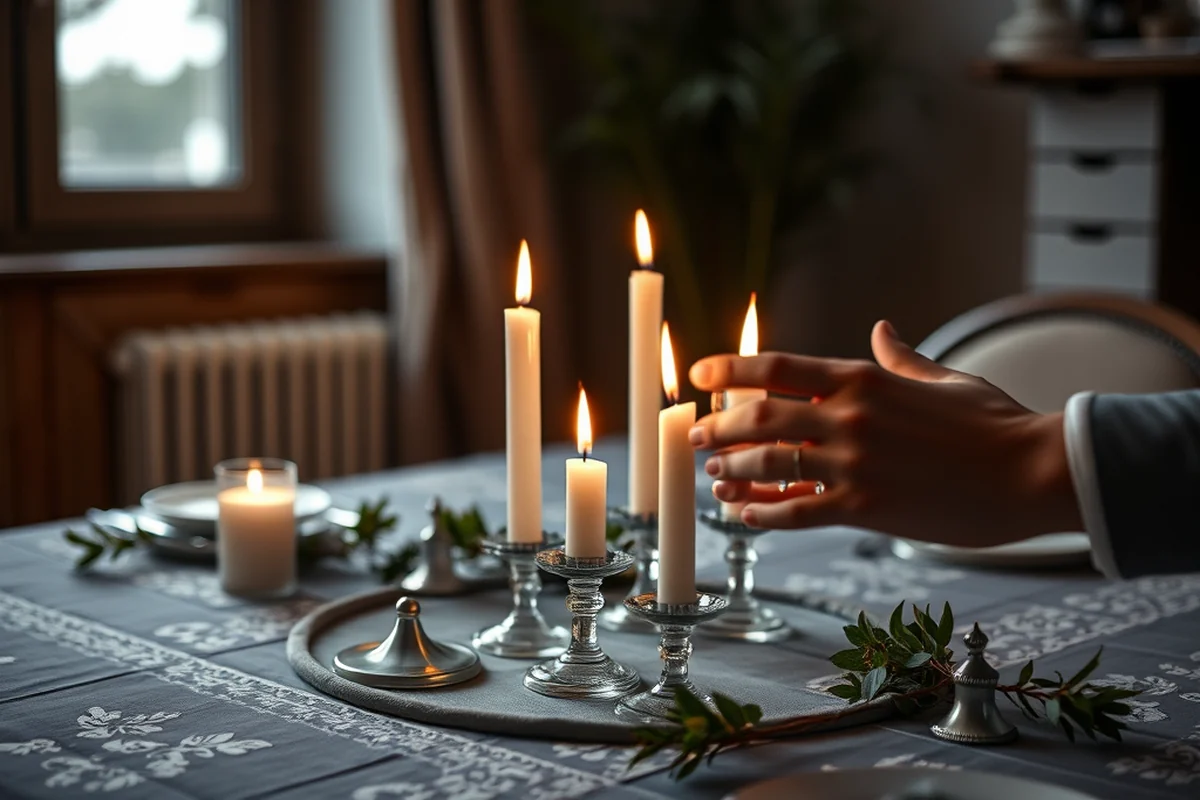
Decor is also important. It’s not about having the most expensive decorations — it’s about creating a space that feels inviting and well-thought-out. I once used string lights, floral centerpieces, and a few candles to create a cozy and elegant atmosphere. The result was a space that felt warm and welcoming.
Related: What is main event entertainment
Plan Engaging Activities
Activities can make your event more engaging and memorable for your guests. They can range from simple icebreakers to more complex games or workshops. I once hosted a party that included a few fun activities, and it made the event feel more dynamic and interactive. The guests were more engaged, and the energy in the room was higher.
The type of activity you choose should depend on the size and style of your event. For a small, intimate gathering, a few casual games or conversation starters might be perfect. For a larger event, a more structured activity might be better. I once hosted a networking event that included a speed networking game, and it helped break the ice and get people talking.
Including activities also helps keep guests entertained and engaged. I once hosted a dinner party with a few interactive games, and it made the event more fun and memorable. The guests were more involved, and the conversation was more lively. Activities can be a great way to create a more engaging and enjoyable experience for your guests.
Related: What is security information and event management system
Manage the Timeline and Flow
Managing the timeline of your event is crucial to ensuring a smooth and enjoyable experience for your guests. A well-organized schedule helps keep the energy high and the conversation flowing. I once hosted a party that started late, and it threw off the entire flow of the event. The guests were confused and disoriented, and the atmosphere felt disjointed.
A clear timeline helps set expectations for your guests. It also helps you manage the logistics of the event more efficiently. I once created a detailed timeline for a dinner party, including arrival, dinner, and departure times. It helped keep everything on track and made the event feel more organized.
Managing the flow of the event also helps keep the energy high. A well-planned timeline ensures that there are no lulls in the conversation or activities. I once hosted a party that included a few scheduled activities, and it helped keep the energy high throughout the evening. The guests were more engaged, and the atmosphere was more dynamic.
A well-managed timeline keeps the energy high and the experience seamless.
Related: What is event sourcing
Follow Up and Gather Feedback
Following up after your event is an important step in ensuring a successful and memorable experience for your guests. It also helps you gather valuable feedback that can improve future events. I once hosted a party and didn’t follow up with my guests, and I missed out on some valuable insights. Since then, I’ve made it a priority to check in with my guests and gather their feedback.
Gathering feedback can help you identify what worked well and what could be improved. I once received feedback that the music was too loud, and I adjusted it for the next event. It made a big difference in the overall experience for the guests.
Following up also helps you build stronger relationships with your guests. A simple thank-you message or a quick check-in can go a long way in showing your appreciation and building a sense of connection. I once sent a thank-you message to my guests after a party, and it helped strengthen the relationships with many of them. It was a small gesture, but it had a big impact.
💰 Budget-Friendly Party
Host a memorable event with minimal cost by focusing on creativity and simplicity over expensive decor and venue.
🛋️ Small-Space Party
Transform a small space into an engaging event area with smart layout and lighting choices.
🌳 Outdoor Party
Host your event in a backyard, garden, or park, using natural elements to enhance the atmosphere.
🍷 Grown-Up Version
Create a more refined and elegant event with a focus on ambiance, gourmet food, and curated entertainment.
🪑 Low-Effort Party
Host a casual and relaxed event with minimal planning and preparation, focusing on comfort and conversation.
| The mistake | Why it happens | The fix |
|---|---|---|
| Not setting a clear budget. | This can lead to overspending or underfunding, resulting in a subpar event experience. | Create a budget outline before planning and stick to it, allocating funds to the most important aspects of the event. |
| Choosing a venue that doesn’t match the event’s size or style. | This can make the event feel uncomfortable or mismatched, leading to an awkward atmosphere for guests. | Select a venue that fits the number of guests and the type of event you’re hosting, ensuring it aligns with your vision. |
| Ignoring the guest experience. | Failing to consider the comfort and enjoyment of your guests can lead to a poor event experience and negative feedback. | Create an engaging atmosphere, ensure the space is comfortable, and be attentive to your guests’ needs throughout the event. |
| Not having a backup plan. | Unexpected issues like technical failures, weather changes, or last-minute cancellations can disrupt the event’s flow. | Prepare for the unexpected by having a backup plan for key elements like music, lighting, or food. |
How To Live Event
Common Questions
How do I choose the right time for my event?
What should I include in my event’s budget?
How can I keep my guests engaged throughout the event?
What if I don’t have enough space for my event?
References
Cite this guide
Corporate Event Marketing (2026). How To Live Event. https://corporatetip.com/how-to-live-event/
Feel free to cite or share this guide.