Event Planning And Interior Design
📖 Table of Contents
- Choosing the Right Color Palette for Your Event
- Creating a Flowing Layout for Optimal Conversation
- The Power of Lighting in Event Design
- Incorporating Functional Furniture for Events
- Adding Personal Touches to Your Event Space
- Managing Space in Small Venues
- Balancing Aesthetics with Practicality in Event Design
- Make It Your Way
- Frequently Asked Questions
I remember the first time I hosted a dinner party at my apartment, it was a disaster. I had no idea how to arrange the space, the lighting was too harsh, and the flow of the room felt awkward. It was a humbling moment, but it taught me the importance of event planning and interior design working hand in hand. When you're hosting an event, the space you choose and how you design it can either elevate the experience or sink it entirely. This article is for anyone who wants to make their next event feel seamless and elegant, without the stress of trial and error.
Event planning and interior design are often treated as separate disciplines, but in reality, they are deeply interconnected. The way you arrange furniture, choose color schemes, and even select lighting can transform a simple space into a memorable venue. I’ve learned this the hard way through years of hosting events, from small dinner parties to large corporate functions. Whether you're working with a tiny apartment or a grand ballroom, the right design choices can make all the difference in how your guests feel and how the event is perceived.
This article will guide you through the critical steps of combining event planning with interior design, ensuring that your next event is not only well-organized but also visually stunning. I’ll share specific techniques, real-life examples, and even my own failures and successes. You’ll learn how to choose the right color palettes, arrange furniture for optimal conversation flow, and use lighting to set the mood. By the end, you’ll have a clear roadmap to creating a space that feels both functional and beautiful — no guesswork, just results.
Why You'll Love This Guide to Event Planning and Interior Design
- Learn how to create a visually stunning and functional space for any event
- Avoid common design pitfalls that ruin even the best-planned events
- Use simple, actionable tips to make your event look like it was designed by a professional
- Save time and money by planning your space efficiently
Choosing the Right Color Palette for Your Event
As of November 2026, Color is one of the most powerful tools in event planning and interior design. I once hosted a party in a space with bright, clashing colors, and it felt chaotic and uninviting. Later, I tried a soft pastel palette and the same space felt serene and elegant. Choosing a cohesive color scheme can make your event feel more intentional and professional.
When planning an event, consider the occasion. A corporate function may require neutral, professional tones, while a wedding can embrace bold, vibrant colors. I’ve found that using a primary color, a secondary color, and a neutral tone works well for most spaces. It adds depth and keeps the design from feeling overwhelming.
A practical tip: test your color choices with temporary materials like paint swatches or fabric samples before committing. This allows you to see how the colors look under different lighting conditions. I once tested a bold red in my living room and realized it didn’t work well with the natural light — a decision I’m glad I made early on.
Use temporary materials like paint swatches or fabric samples to test color choices before making permanent decisions.
Part of our Events calendar guide.
Creating a Flowing Layout for Optimal Conversation
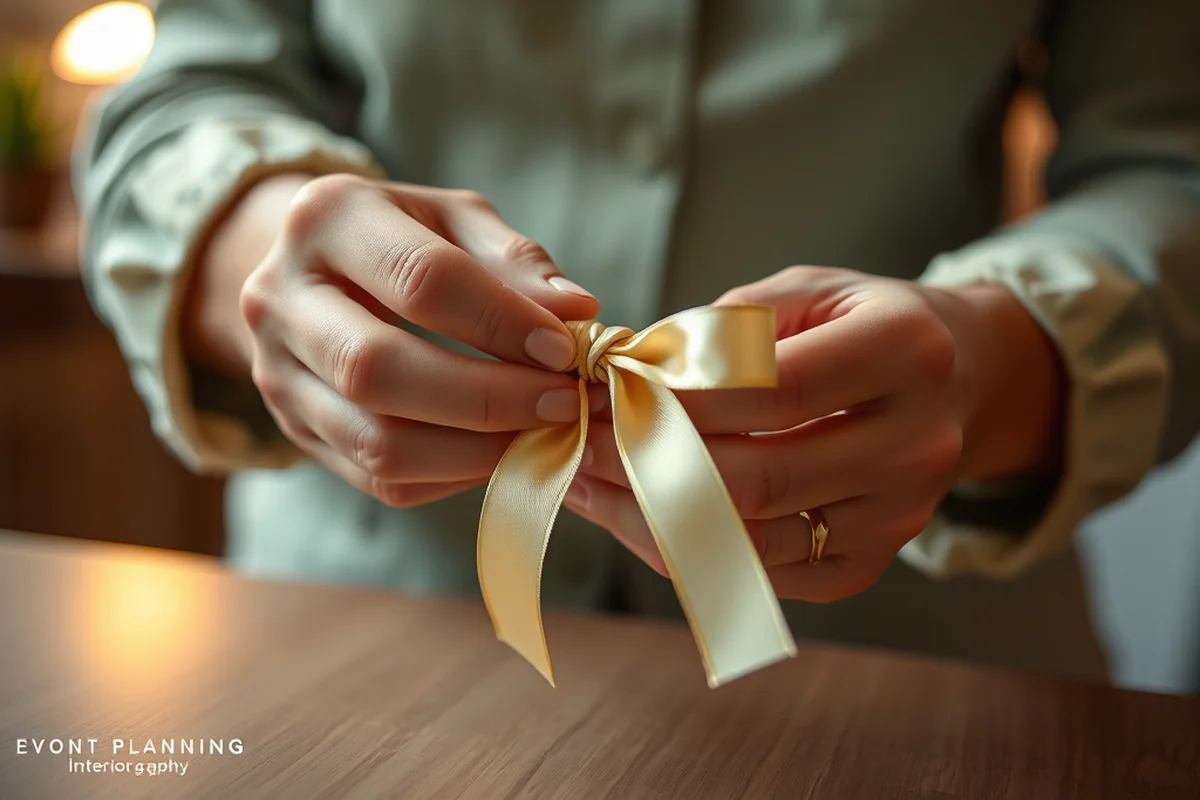
I once hosted a dinner party in a small apartment where the furniture was placed in a way that made the space feel cramped and uncomfortable. The guests felt crowded, and conversations were hard to follow. After rearranging the furniture to create a circular layout, the space felt open and inviting, and the conversation flowed effortlessly.
When designing the layout for an event, consider the size of the space, the number of guests, and the type of event. For a small space, using a circular layout encourages conversation and makes guests feel included. For larger events, creating defined zones with different activities — like a cocktail area, a dining area, and a lounge — can help manage the flow of guests.
I recommend using furniture with rounded edges and avoiding sharp corners, as they can feel aggressive and less inviting. Also, leave enough open space for guests to move comfortably. I’ve noticed that when there’s at least 20 inches of space between furniture pieces, guests can move more freely, and the space feels more welcoming.[1]
A well-designed layout can make the difference between a chaotic event and a seamless, enjoyable one.
Related: What is calendar of events
The Power of Lighting in Event Design
Lighting is one of the most overlooked aspects of event planning, but it can dramatically affect how a space is perceived. I once hosted a party in a room with harsh overhead lighting, and it felt cold and uninviting. After switching to warm, dimmable lights, the same room felt cozy and welcoming.
When planning an event, consider the type of lighting that best suits the occasion. For a formal dinner, I prefer soft, warm lighting with table candles. For a more casual event, using string lights or LED strips can create a fun and vibrant atmosphere. I also like to use lighting to highlight key areas, like the entrance or a photo booth.
A practical tip: use adjustable lighting to create different moods throughout the event. I’ve found that starting with brighter lighting for the early part of the event and gradually dimming it as the evening progresses can create a more engaging and immersive experience for guests.
Start with brighter lighting and gradually dim it as the event progresses to create a more engaging atmosphere.
“I remember the first time I hosted a dinner party at my apartment, it was a disaster.”— Corporate Event Marketing editors
Related: Peak event services
Incorporating Functional Furniture for Events
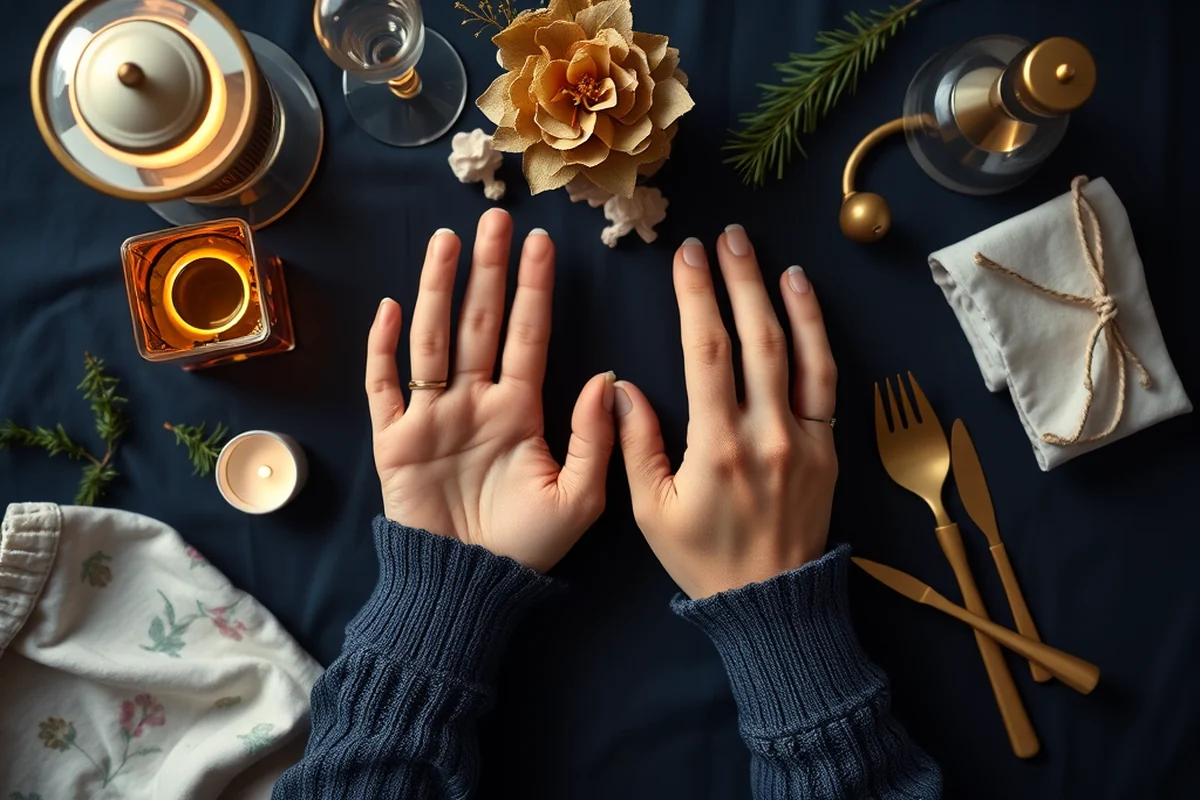
Furniture plays a crucial role in event planning and interior design. I once hosted an event in a space with only one large dining table, which made the space feel unbalanced and not suitable for conversation. After adding a few side tables and a lounge area, the space became more functional and inviting.
When selecting furniture for an event, consider the size of the space and the number of guests. For smaller events, using a mix of seating options — like armchairs, poufs, and stools — can create a more relaxed and flexible environment. For larger events, using modular furniture that can be rearranged easily can help manage the flow of guests.
I recommend choosing furniture with neutral tones and simple designs, as they are easier to style and can be used for multiple events. I’ve found that investing in a few versatile pieces of furniture can save time and money in the long run.
Related: Event hosting services
Adding Personal Touches to Your Event Space
Adding personal touches to your event space is one of the most effective ways to make it feel unique and special. I once hosted a party and added some of my favorite artwork and photographs to the space, which made the event feel more personal and authentic. Guests commented on how much it added to the overall atmosphere.
When planning an event, consider incorporating elements that reflect your personality and the theme of the event. This could include displaying personal items, using custom signage, or adding unique decor. I’ve found that even small details — like a custom welcome sign or a photo frame with a guest of honor — can make a big impact.
I recommend starting with a few key elements that reflect your personality and the theme of the event. These can be things like a signature cocktail, a custom playlist, or a special piece of decor. I’ve noticed that when these elements are thoughtfully chosen, they can create a more engaging and memorable experience for guests.[2]
Related: Marketing events calendar template excel
Managing Space in Small Venues
Small venues can be challenging to design for events, but with the right planning, they can feel just as large and engaging as any other space. I once hosted a party in a 300-square-foot apartment, and by using mirrors, light colors, and strategic furniture placement, it felt much larger and more open.
When designing for a small space, consider using mirrors to reflect light and create the illusion of more space. Light colors on walls and furniture can also help, as they make the space feel more open. I’ve found that using vertical storage solutions, like shelves or hanging organizers, can help keep the space tidy and functional.
I recommend avoiding bulky furniture that can make the space feel cramped. Instead, opt for smaller, more compact pieces that can be easily moved around. I’ve noticed that using a few large, statement pieces of furniture can also make a small space feel more luxurious and inviting.
Even the smallest spaces can become magical with the right design and planning.
Related: What is marketing for an event
Balancing Aesthetics with Practicality in Event Design
Aesthetics are important, but they shouldn't come at the expense of practicality. I once hosted an event where the decor was beautiful but the space was cluttered and difficult to move around in. It was a challenge for both the guests and the event team. After simplifying the decor and focusing more on functionality, the event became much more enjoyable.
When planning an event, consider the needs of the guests and the event team. For example, ensuring there is enough space for food and drinks to be passed around, or creating a designated area for guests to store their belongings. I’ve found that focusing on functionality can make a space feel more welcoming and comfortable.
I recommend starting with a few key design elements and then adjusting based on practical needs. This allows you to create a space that is both visually appealing and easy to manage. I’ve noticed that when aesthetics and practicality are balanced, the event feels more successful and enjoyable for everyone involved.
💰 Budget-Friendly Event
Host a memorable event without breaking the bank by using DIY decor, second-hand furniture, and cost-effective lighting.
🏠 Small-Space Event
Transform a small space into a cozy and inviting event venue by using mirrors, light colors, and compact furniture.
🌳 Outdoor Event
Create a magical outdoor event with string lights, natural elements, and weather-resistant furniture that blends with the surroundings.
🎩 Grown-Up Version
Design an elegant and refined event with neutral color palettes, classic furniture, and sophisticated lighting to impress discerning guests.
💤 Low-Effort Event
Host an easy-to-manage event with minimal setup and cleanup by using modular furniture, reusable decor, and easy-to-arrange layouts.
| The mistake | Why it happens | The fix |
|---|---|---|
| Overloading the space with too much decor | Too much decor can make the space feel cluttered and overwhelming, making it difficult for guests to move around and enjoy the event. | Keep the decor simple and focused on a few key elements that reflect the theme of the event. This will create a more elegant and cohesive look. |
| Ignoring the practical needs of the event | Focusing only on aesthetics can lead to a space that looks beautiful but is difficult to manage, making it uncomfortable for guests and event organizers. | Balance aesthetics with functionality by ensuring there is enough space for guests to move around and for event activities to take place. |
| Using harsh lighting that feels uninviting | Harsh lighting can make the space feel cold and uninviting, affecting the overall atmosphere and guest experience. | Use warm, dimmable lighting to create a more welcoming and comfortable environment. Test different lighting setups in advance to find the right balance. |
| Choosing furniture that is too bulky or uncomfortable | Bulkier or uncomfortable furniture can make the space feel cramped and uninviting, making it difficult for guests to enjoy the event. | Choose compact, comfortable furniture that allows for easy movement and creates a more open and inviting space. |
Event Planning And Interior Design
Common Questions
How can I make a small space feel larger for my event?
What are some cost-effective ways to decorate for an event?
How can I ensure my event space is both stylish and functional?
What are some tips for lighting an event space effectively?
References
Cite this guide
Corporate Event Marketing (2026). Event Planning And Interior Design. https://corporatetip.com/event-planning-and-interior-design/
Feel free to cite or share this guide.