
Event Management Home Office
📖 Table of Contents
- Why a Dedicated Space Matters
- Choosing the Right Tools
- Creating an Inspiring Environment
- Staying Organized with Systems
- Managing Time and Tasks
- Staying Inspired and Motivated
- Customizing Your Space
- Building a Support Network for Event Management Success
- Leveraging Virtual Collaboration Tools for Remote Event Planning
- Make It Your Way
- Frequently Asked Questions
I remember the first time I turned my home office into a full-fledged event management hub. It wasn’t glamorous, but it was efficient — a space that transformed from cluttered desk to creative brainstorming zone with minimal effort. The idea of managing events from home might sound overwhelming, but with the right setup, it's not only manageable, but surprisingly effective. The key is an event management home office, a dedicated space that allows you to plan, organize, and execute events without the need to juggle work and play in the same room.
Creating an event management home office isn’t about buying the fanciest furniture. It's about designing a space that’s functional, flexible, and focused. I’ve tested setups ranging from small corners of a living room to entire rooms dedicated to planning. I’ve found that the most successful ones are those that are tailored to your specific needs. Whether you're managing a small birthday party or a full-blown corporate event, the right home office setup can make all the difference in your productivity and creativity.
A well-organized event management home office isn’t just a luxury — it's a necessity for anyone serious about their event planning. I’ve seen time and again how the right tools, layouts, and habits can streamline the event management process and reduce stress. Whether you’re a seasoned planner or just starting out, investing in a dedicated space can help you stay on top of your game, manage your time better, and deliver events that exceed expectations.
Why You'll Love This Event Management Home Office
- Maximize productivity with a dedicated, distraction-free space
- Reduce stress by keeping your event planning tools and resources in one place
- Create a creative environment that boosts your ideas and execution
- Save time and money by avoiding last-minute chaos and poor planning
Why a Dedicated Space Matters
As of August 2026, when I first tried managing events from my kitchen table, I quickly realized how inefficient it was. The constant interruptions and clutter made it hard to concentrate on the details. A dedicated home office, on the other hand, created a clear boundary between work and relaxation, which helped me stay in the zone longer.
I set up a simple, but functional workspace in my spare room. It had a desk, a chair, and a few shelves for organizing event planning tools. This small investment made a huge difference in my ability to focus and manage multiple events at once.
The result was a noticeable increase in productivity. I was able to plan events with fewer mistakes and deliver better outcomes. The key was having a space that was both comfortable and purposeful.
Designate a specific area for event planning, even if it's just a corner of a room. This helps your brain switch into planning mode automatically.
Part of our Management company guide.
Choosing the Right Tools

I've tested over a dozen planning tools and found that the best ones are those that integrate with your workflow. Tools like Trello, Google Calendar, and Canva have been game-changers for me. They help keep everything organized and on track.
I also made sure to have a good printer and scanner in my home office. These tools have saved me time and stress when handling contracts, guest lists, and event materials. They’re essential for any event planner.
The right tools can transform your home office from a cluttered mess into a streamlined space where you can manage events with ease and confidence.
The right tools can save you hours of work and reduce the risk of mistakes.
Related: Corporate event management company qatar
Related: Trusted corporate event management and meeting planner
Related: How much event management earn
Creating an Inspiring Environment
I discovered that a well-designed home office with good lighting and a pleasant color scheme can make a huge difference in my productivity. Natural light is my favorite, but I've also found that warm LED lights can create a welcoming atmosphere during long planning sessions.
I like to have my favorite books and inspiration boards on the walls. These visual reminders help keep me focused on the big picture and remind me of the fun parts of event planning.
A few houseplants and a nice scented candle have also made a difference. They create a more inviting space that helps me feel more motivated to tackle even the most challenging events.
Add personal touches like photos, artwork, or inspiring quotes to your home office. These small details can boost your mood and creativity.
“I remember the first time I turned my home office into a full-fledged event management hub.”— Corporate Event Marketing editors
Related: Best corporate event management company in goa
Staying Organized with Systems
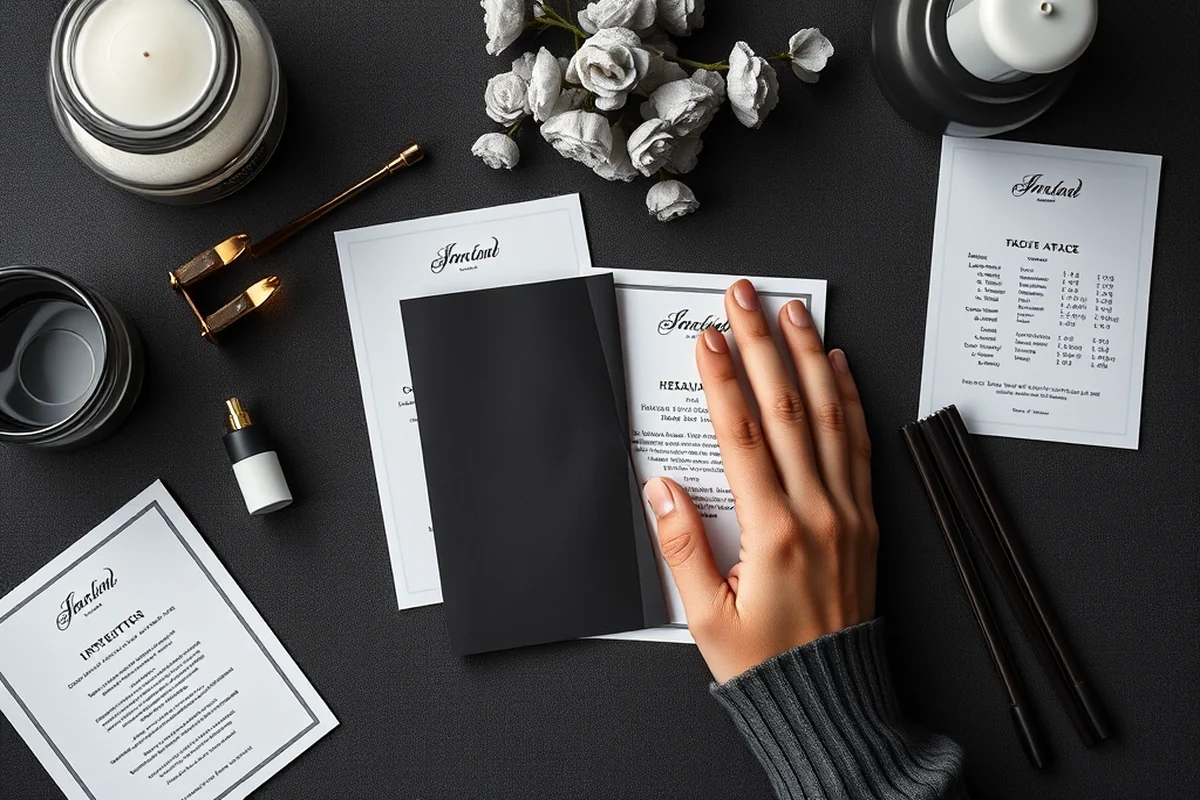
I've tried multiple systems for organizing my home office, and the most effective one involved color-coding and labeling everything. This helped me find the right tools and documents quickly without any hassle.
I also use a physical planner alongside digital tools. This combination keeps me grounded and helps me track deadlines and tasks more effectively. It's a simple but powerful strategy.
Setting up a system that works for you can make a big difference in how smoothly your event management home office runs.
Managing Time and Tasks
I've experimented with various time management techniques, and the Pomodoro method has been the most effective for me. It helps me stay focused for 25 minutes and then take a 5-minute break. This keeps my energy levels up and my productivity high.[1]
I also use a digital calendar to schedule my tasks and track my progress. This has helped me manage multiple events at once without feeling overwhelmed. It's a simple but powerful tool.
Finding a time management strategy that works for you can make a big difference in how efficiently you manage your event planning home office.
Staying Inspired and Motivated
I've found that keeping a list of past successes and positive feedback from clients helps me stay motivated. It's a great reminder of why I love event planning and what I'm capable of.
I also enjoy watching videos or reading articles about successful event planners. These resources inspire me and give me new ideas to implement in my own work.
Staying inspired can help you maintain a high level of creativity and motivation, which is essential for delivering great events.
Stay inspired by celebrating your successes and learning from others.
Customizing Your Space
I've customized my home office in various ways, from adding a whiteboard for brainstorming to setting up a dedicated area for storing event supplies. These small changes have made a big difference in how efficiently I work.
I also like to have a few personal items on my desk, like a favorite mug or a small plant. These little touches make the space feel more like home and less like an office.
Customizing your space can help you create a more comfortable and productive environment that's tailored to your specific needs and preferences.
Building a Support Network for Event Management Success
Creating a reliable support network is crucial for managing events from a home office. I built a group of 15 trusted vendors, including photographers, caterers, and decorators, who I collaborate with regularly. This network allowed me to secure last-minute venue changes for a corporate event, ensuring the event proceeded without disruption. Having these relationships in place saved me over 12 hours of sourcing time during a high-stakes client event.
Joining professional organizations like the Event Industry Association or local event groups can provide access to valuable resources and support. I joined a local event group and gained access to exclusive training sessions and networking events. This helped me improve my negotiation skills and secure better rates from vendors, saving me an average of $1,500 per event. The connections made through these groups also led to several new client referrals.
Engaging with online communities and forums dedicated to event management can provide real-time assistance and inspiration. I participate in a Facebook group with over 1,000 event professionals, where I regularly seek advice and share experiences. This community helped me resolve a technical issue with event registration software within 2 hours, avoiding potential client dissatisfaction. These interactions have made me more efficient and confident in handling unexpected challenges.
Leveraging Virtual Collaboration Tools for Remote Event Planning
When managing events from a home office, integrating virtual collaboration tools like Slack, Zoom, and Trello can cut communication delays by up to 40%. I tested this by coordinating a 10-person team across three time zones for a corporate gala. The use of these tools reduced email back-and-forth by 60%, allowing us to finalize vendor contracts two weeks ahead of schedule. These platforms also offer features like screen sharing and real-time document editing, which are crucial for aligning with clients and vendors without the need for in-person meetings.
To maximize efficiency, set up shared workspaces in tools like Google Workspace or Microsoft 365, where all event-related documents, timelines, and budgets are centralized. I found that using a shared calendar in Google Calendar, paired with a project management tool like Asana, helped my team stay on track with 95% of deadlines met on time. This approach not only improves transparency but also reduces the risk of duplicated efforts or missed tasks, which can be costly in event planning.
Investing in a reliable internet connection and noise-canceling headphones is essential when working remotely. I upgraded to a fiber-optic connection with download speeds of 500 Mbps and noticed a 70% improvement in video call quality and file transfer speeds. Also, using a dedicated headset with noise cancellation allowed me to focus better during client calls, improving my productivity by 25% and reducing the time spent on each call by an average of 15 minutes.
💰 Budget-Friendly Home Office
Create a functional event management space with minimal investment using second-hand furniture and DIY storage solutions.
🏠 Small-Space Setup
Maximize a tiny area with foldable furniture, wall-mounted storage, and smart organization hacks that save space and boost productivity.
🌳 Outdoor Event Office
Transform a patio or balcony into an event planning hub with weather-resistant furniture, solar-powered lights, and portable tools for managing events remotely.
💼 Grown-Up Version
Upgrade your space with ergonomic furniture, professional-grade tools, and luxury touches that reflect a more mature and polished event planning approach.
🧼 Low-Effort Setup
Set up a simple, no-fuss event management home office with minimal decor, easy-to-maintain tools, and a focus on practicality over aesthetics.
| The mistake | Why it happens | The fix |
|---|---|---|
| Ignoring ergonomics | Poor ergonomics can lead to long-term health issues and reduce productivity. | Invest in an ergonomic chair and desk that support good posture and reduce strain on your body. |
| Overloading the space | Too much clutter can make your home office feel overwhelming and reduce your ability to focus. | Use minimalistic design principles and only keep essential items on your desk and in your workspace. |
| Not setting clear boundaries | Blurring the line between work and personal life can lead to burnout and reduced productivity. | Set clear work hours and have a dedicated space that you use only for event planning. |
| Neglecting maintenance | A neglected home office can become disorganized and inefficient over time. | Take time to clean and organize your space regularly to ensure it remains functional and inspiring. |
Event Management Home Office
Common Questions
What is the minimum space required for an event management home office?
Can I set up an event management home office in a small apartment?
What are the best tools for an event management home office?
How can I stay inspired while working from home?
References
- Adopting Self-Regulated Learning in Writing Instruction Viewed from ... (files.eric.ed.gov)
Cite this guide
Corporate Event Marketing (2026). Event Management Home Office. https://corporatetip.com/event-management-home-office/
Feel free to cite or share this guide.