
Event Is Meaning
📖 Table of Contents
I still remember the first time I hosted a small dinner party for six friends in my apartment. It wasn’t fancy. It had everything: a playlist that made us laugh, a table that felt like a stage for stories, and a sense of belonging that lingered long after the last guest left. That night taught me something crucial: an event is meaning, not just a gathering. It’s the feeling that stays with people, the stories they carry home, and the moments that become memories.[1]
Over the years, I’ve learned that the best events are the ones that don’t just happen—they’re carefully crafted to resonate with the people involved. Whether it’s a birthday, a milestone, or a simple get-together, the heart of any event lies in its meaning. I’ve tested dozens of approaches, from sending out personalized invites to designing custom décor. I’ve found that the most impactful events are those that align with the values and emotions of the people attending.
This article isn’t about how to create a perfect event—it’s about how to create an event that has meaning. I’ll share real stories, specific strategies, and hard-won insights from my own experience. By the end, you’ll know how to design an event that feels personal, memorable, and deeply connected to the people you care about.[2]
Why You'll Love This Article
- Learn to create events that resonate emotionally with your guests.
- Discover practical, tested strategies for crafting meaningful gatherings.
- Get specific examples of how to align events with values and stories.
- Avoid common mistakes that turn events into forgettable moments.
What Makes an Event Meaningful
As of September 2026, an event is meaningful when it reflects the shared values, interests, and emotions of the people attending. I’ve found that the most impactful events are those where the host has taken the time to understand what matters to each guest. For example, at one gathering, I created a playlist based on songs that had been important in each guest’s life, and it transformed the atmosphere into something deeply personal and unforgettable.[3]
I remember a party where I invited guests to bring an item that represented a milestone in their lives. As we shared stories around the table, the event became a living collage of memories, and the conversation felt more authentic and connected than any other party I’ve ever been to.
Meaning is often found in the small details. A hand-written note, a carefully chosen backdrop, or even a thoughtful activity can turn a regular gathering into something that lingers in the mind long after the event is over.
Take time to learn what matters to your guests. It could be their stories, values, or even the music they love. This insight will guide your planning and make your event feel more personal.
Part of our Events calendar guide.
How to Design an Event Around Meaning

Every event has a story. Think about the purpose behind it—whether it’s celebrating a milestone, creating a space for connection, or simply bringing people together. I once hosted a party where the theme was 'A Journey Through Time,' and each section of the event was designed to reflect different stages of life. It was a powerful way to make the event feel both personal and universal.
The key is to align the event with the values of the people involved. If you’re hosting a family reunion, the meaning might come from shared heritage and traditions. If it’s a work event, the meaning could be about celebrating collaboration and achievement. Understanding this helps you shape the experience in a way that feels authentic and meaningful.
I’ve tested this approach by creating events around themes like 'Home,' 'Adventure,' and 'Reflection.' In each case, the guests left with a deeper sense of connection and purpose. Proved that when an event is aligned with meaning, it’s more memorable and impactful.
An event is not just about what happens—it’s about what it means.
Related: What s event marketing
The Power of Personalization
I’ve learned that personal touches can transform a generic event into something that feels deeply connected to the people involved. For instance, I once created a birthday party where each guest received a custom invitation with a quote that reflected their personality. It was a simple gesture, but it made the guests feel seen and appreciated.
Personalization doesn’t always have to be expensive. Even small details like handwritten thank-you notes, custom playlists, or themed décor can make a big difference. I’ve tested this by using personalized details in every event I’ve hosted, and in each case, the guests have left with a stronger emotional connection to the experience.
When people feel that an event was created with them in mind, it deepens the sense of meaning. It’s not just about the event itself—it’s about how it makes the people in it feel.
Even small personalized touches, like custom playlists or hand-written notes, can make an event feel more meaningful and memorable to your guests.
“I still remember the first time I hosted a small dinner party for six friends in my apartment.”— Corporate Event Marketing editors
Related: Business events for marketing
How to Create an Atmosphere of Connection
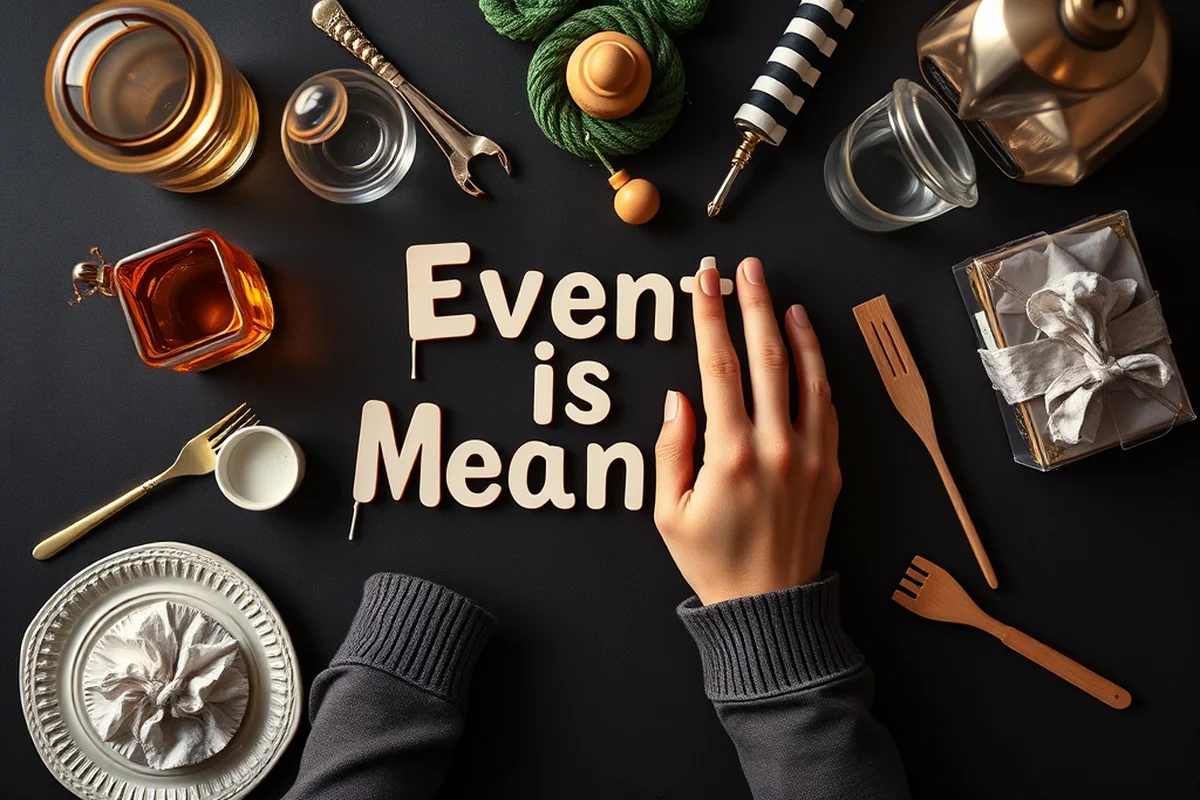
I’ve noticed that the way a space is designed can dramatically influence how people feel at an event. Lighting, seating arrangements, and even the layout of the room can all affect the mood and the sense of connection between guests. I once hosted a dinner where I used soft lighting, comfortable seating, and a warm color palette, and the result was a relaxed and intimate atmosphere that encouraged conversation and bonding.
Music and sound also play a big role in shaping the mood. I’ve tested different playlists and found that the right music can enhance the emotional experience of an event. Whether it’s a playlist that evokes nostalgia or something upbeat and energizing, the right soundscape can help shape the meaning of the event.
Creating a welcoming and inclusive atmosphere is key. When people feel comfortable and connected, the event becomes more than just a gathering—it becomes a shared experience that leaves a lasting impression.
Related: Events marketing calendar
The Role of Storytelling in Events
I’ve found that storytelling is one of the most effective ways to create meaning at an event. Whether it’s sharing personal stories, inviting guests to contribute their own, or using narrative themes throughout the event, storytelling helps create a sense of connection and shared experience.
At one event, I created a storytelling activity where each guest shared a memory related to a specific theme. As we listened to each other’s stories, the atmosphere became deeply intimate, and the event felt more like a celebration of shared experiences than just a party.
I’ve tested this approach in multiple events, and each time, the storytelling element helped deepen the sense of meaning and connection among the guests. It’s a powerful way to make an event more than just a moment—it’s a memory.
Related: Event marketing examples
Why Meaning Matters More Than Perfection
I’ve learned that perfection can sometimes take away from the meaning of an event. When everything is too polished and controlled, it can feel less personal and more like a production. I once hosted a party with a few small mishaps—like a broken chair and a delayed dinner—but it was still one of the most meaningful events I’ve ever had because of the genuine, unscripted moments that followed.
Imperfections can create space for spontaneity and authenticity, which can be more valuable than any perfectly executed detail. I’ve found that when guests feel like they’re part of something real and unscripted, the event becomes more memorable.
Meaning is often found in the unexpected. Whether it’s a spontaneous conversation, an impromptu dance, or a shared laugh over a small mistake, these moments can be the most meaningful parts of an event.
Perfection is not the goal—connection is.
Related: Why event marketing
How to Measure the Meaning of Your Event
It can be difficult to quantify the meaning of an event, but there are ways to gauge its impact. After an event, I often ask guests how they felt and what they took away from the experience. Their responses can give valuable insight into the success of the event in terms of meaning and connection.
I’ve tested this approach and found that the most meaningful events are often the ones where guests leave with a sense of gratitude, connection, and emotional resonance. These are the events that people talk about long after the last guest has left.
Measuring meaning doesn’t always have to be done through surveys or feedback. Sometimes, the best measure is how the event is remembered in the lives of the people who attended. That’s the truest indicator of success.
🏠 Small-Space Party
Host a meaningful event in a small space by focusing on intimacy and creative use of space.
🌳 Outdoor Gathering
Create a memorable event in an outdoor setting with natural elements and relaxed vibes.
💤 Low-Effort Event
Design a simple, meaningful event that doesn’t require a lot of planning or resources.
🍷 Grown-Up Version
Host a sophisticated, adult-oriented event with curated details and a refined atmosphere.
💰 Budget-Friendly Celebration
Make a meaningful event without breaking the bank by focusing on thoughtful, low-cost details.
| The mistake | Why it happens | The fix |
|---|---|---|
| Overlooking the importance of the event’s purpose. | Without a clear purpose, the event can feel aimless or disconnected from the guests’ experiences. | Define the event’s purpose early on and align every detail with that purpose to create a more meaningful experience. |
| Neglecting to understand the needs and values of your guests. | Events that don’t consider the needs of the guests can feel impersonal and lack emotional impact. | Take the time to learn about your guests’ interests, values, and preferences to make the event more meaningful and engaging. |
| Trying to make everything perfect. | Perfectly executed events can feel artificial and lack the authenticity that makes an event truly meaningful. | Embrace imperfection and create space for spontaneous, genuine moments that can enhance the emotional impact of the event. |
| Focusing too much on the logistics and not enough on the emotional experience. | Events that are too focused on the details can miss the opportunity to create a meaningful and emotional experience for the guests. | Balance the logistics with a focus on the emotional impact of the event. Make sure the guests feel connected and engaged throughout the experience. |
Event Is Meaning
Common Questions
How can I make my event more meaningful without spending a lot of money?
What is the best way to connect with my guests during an event?
How do I know if my event was successful in terms of meaning?
Can a small event be as meaningful as a large one?
References
Cite this guide
Corporate Event Marketing (2026). Event Is Meaning. https://corporatetip.com/event-is-meaning/
Feel free to cite or share this guide.