
Event Planner Vs Interior Design
📖 Table of Contents
- What Exactly Does an Event Planner Do?
- What Sets an Interior Designer Apart?
- How Do These Two Fields Overlap?
- The Benefits of Having Both on Board
- When to Choose One Over the Other
- The Hidden Costs of Ignoring One Role
- The Future of Event Planning and Interior Design
- Make It Your Way
- Frequently Asked Questions
I still remember the first time I walked into a venue that was perfectly balanced between event planning and interior design — it felt like stepping into a dream. The lighting was warm, the furniture was arranged with purpose, and every detail felt intentional. That moment taught me the power of aligning event planning with interior design. The two fields may seem similar at first glance, but they serve different purposes, and understanding that difference can transform the success of any event.[3]
As a professional in the events and parties space, I've seen firsthand how a well-planned event can be ruined by poor interior design. How even the most beautiful space can fall flat without thoughtful event coordination. Event planners focus on the logistics, flow, and guest experience, while interior designers create the ambiance, spatial arrangement, and visual appeal. Together, they form a dynamic duo that can elevate any gathering from average to unforgettable.[4]
The key to a successful event lies in recognizing the distinct roles each professional plays. An event planner ensures that everything from catering to entertainment runs smoothly, while an interior designer ensures that the space is both functional and visually appealing. Whether it's a corporate gala, a wedding reception, or a casual birthday party, having both professionals on board can make all the difference. In the next sections, I'll explore how these two fields intersect, overlap, and complement each other to create exceptional events.
Why You'll Love This Article
- Gain clarity on the differences between event planners and interior designers
- Learn how they work together to create unforgettable events
- Discover real-world examples of successful collaborations
- Get practical advice on choosing the right professional for your event
What Exactly Does an Event Planner Do?
As of October 2026, an event planner is the backbone of any successful gathering. They handle the big picture — coordinating vendors, managing budgets, booking venues, and ensuring that every detail aligns with the client's goals. Whether it's a corporate conference or a small family reunion, the event planner ensures that everything is in place for a seamless experience.
From sending out invitations to managing the seating chart, event planners are responsible for every moving part. They are often the ones who step in to resolve last-minute issues, like a speaker canceling or a caterer running late. Their role is as much about problem-solving as it is about execution.
One event planner I worked with once spent two weeks preparing for a 12-person dinner party. She coordinated with a decorator to ensure the space was both functional and stylish, while also negotiating with a caterer to keep costs under budget. The result was a beautifully executed event that left the guests in awe.[1]
A planner who aligns with your aesthetic can help you avoid costly design mistakes and ensure the event reflects your personality.
What Sets an Interior Designer Apart?
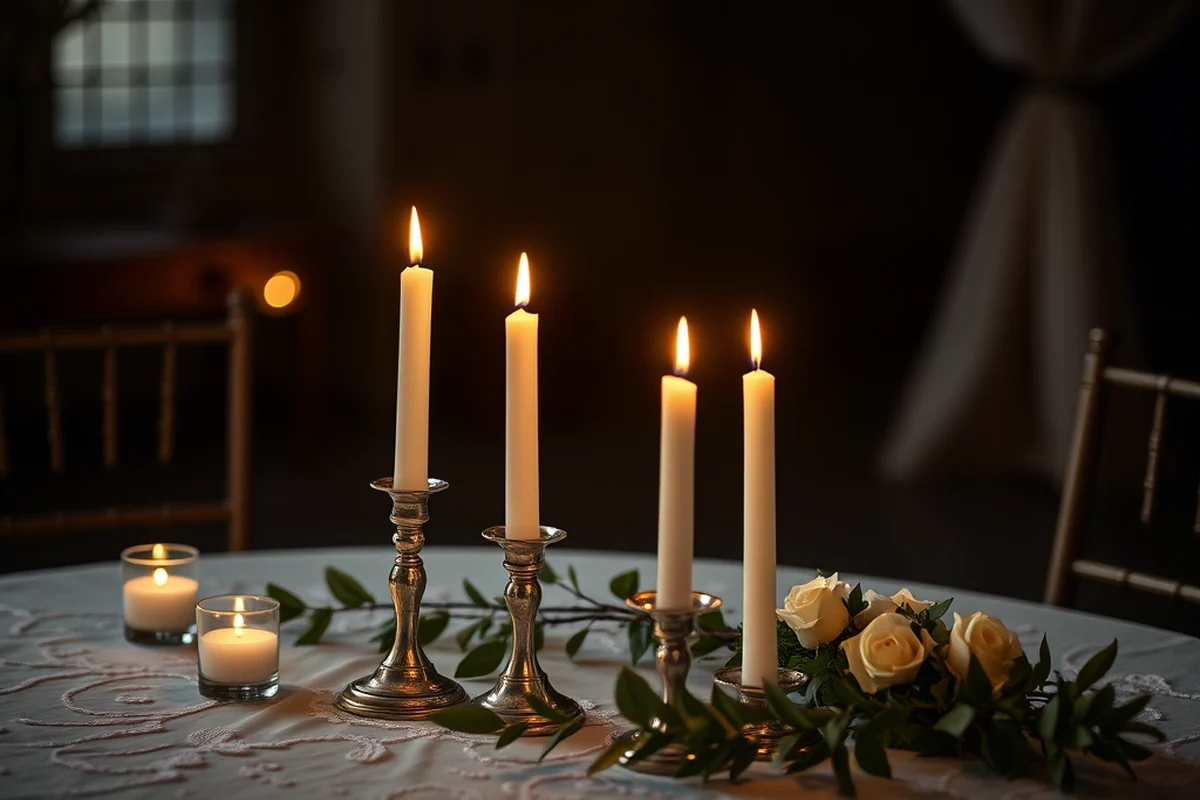
While event planners handle the logistics, interior designers take care of the look and feel of the event space. They are the ones who choose the color schemes, arrange furniture, and select decor that enhances the overall experience. Their goal is to create a space that not only looks good but also feels welcoming and functional.
An interior designer might be brought in to transform a plain conference room into a glamorous event space, complete with string lights, floral arrangements, and custom drapery. They are often the ones who can turn a generic venue into a unique and memorable setting.
I once attended an event where the interior designer had used a bold color palette and dramatic lighting to create an immersive experience. The result was a space that felt both elegant and inviting — proof that the right design can elevate any event.
Design is not just about looks — it's about creating an experience.
Related: How to get into event management
How Do These Two Fields Overlap?
While their roles are different, event planners and interior designers frequently work hand in hand. An event planner might bring in an interior designer to help with the layout of a venue, while the interior designer might consult the event planner on how to best use the space for the event's needs.
This collaboration is especially important for larger events, where both the logistics and the design need to be carefully balanced. A poorly designed space can make even the most well-organized event feel chaotic and uninviting.
In one project I was involved in, the event planner and interior designer worked together to create a themed wedding reception. The planner handled the timeline and guest experience, while the designer ensured that the space reflected the couple's vision. The result was a beautifully cohesive event that left guests in awe.
An interior designer who has experience with events can help you avoid design choices that might interfere with the event's flow or functionality.
“I still remember the first time I walked into a venue that was perfectly balanced between event planning and interior design — it felt like…”— Corporate Event Marketing editors
Related: How to book corporate events
The Benefits of Having Both on Board
When you bring both an event planner and an interior designer together, you create a powerful synergy that can improve your event to new heights. The planner ensures that everything runs smoothly, while the designer ensures that the space looks and feels just right.
This collaboration can be especially beneficial for high-profile events, where both the experience and the aesthetics are crucial. A well-planned event with a beautiful design can leave a lasting impression on your guests and reflect your brand or personality in the best way possible.
In one instance, a client hired both a planner and a designer for a product launch event. The planner made sure the schedule was tight and all vendors were on time, while the designer created a space that was both modern and inviting. The event was a huge success, with positive feedback from all attendees.
Related: Event vs market polymarket
When to Choose One Over the Other
For smaller events, like a 12-person dinner party, hiring an event planner might be sufficient. They can handle the logistics, while you can bring in a decorator or use your own decor to create the desired ambiance.[2]
On the other hand, if you're planning a larger event and want a specific aesthetic, hiring an interior designer might be the better choice. They can help you transform a venue into the perfect space, even if you're managing the logistics yourself.
I once helped a client plan a weekend retreat with a small team. We hired an interior designer to create a cozy, rustic vibe, while we managed the rest of the event. The combination was magical, and it showed how even small events can benefit from a designer's touch.
Related: Event management vs logistics
The Hidden Costs of Ignoring One Role
Many clients assume that one role can cover both planning and design, but this can lead to a disjointed event. Without a dedicated event planner, important details like timelines, vendor coordination, and budget management can fall through the cracks.
Similarly, if you skip the interior design aspect, you may end up with a space that feels generic or uninviting. A poorly designed event space can also lead to unexpected costs, like last-minute decor rentals or additional lighting.
I once worked with a client who tried to plan an event on their own. They ended up with a venue that was too dark, a timeline that was impossible to follow, and a budget that was completely blown. It was a valuable lesson in the importance of hiring the right professionals.
You get what you pay for — and sometimes, it's more than you expect.
Related: Corporate event venue
The Future of Event Planning and Interior Design
In today’s events and parties space, there is a growing trend toward creating immersive experiences that engage all the senses. This means that event planners and interior designers need to work even more closely to ensure that every detail is considered.
From interactive installations to themed environments, the future of event planning and interior design is all about creating spaces that are both functional and visually stunning. This collaboration will continue to evolve as technology and trends change.
One of the most exciting developments in the industry is the use of smart design elements, like dynamic lighting and soundscapes, to enhance the guest experience. The future is bright for both event planners and interior designers — and their collaboration will be key to creating unforgettable events.
💸 Budget-Friendly Party
Create a memorable event without breaking the bank by focusing on key design elements and planning ahead.
🏠 Small-Space Celebration
Transform a compact space into a stylish and functional event venue with clever design and planning.
🌳 Outdoor Event
Bring the beauty of nature into your event with thoughtful design and event planning tailored for outdoor spaces.
🎩 Grown-Up Version
Create a sophisticated and elegant event with a focus on refined design and seamless planning.
🪑 Low-Effort Gathering
Host a relaxed and stress-free event with minimal planning and a focus on comfort and convenience.
| The mistake | Why it happens | The fix |
|---|---|---|
| Not coordinating with vendors in advance | This can lead to unexpected delays, last-minute changes, and increased costs. | Always schedule meetings with vendors early and confirm all details in writing. |
| Ignoring the importance of design | A poorly designed space can make even the most well-planned event feel uninviting. | Hire an interior designer or consult with a decorator to ensure the space looks and feels great. |
| Underestimating the time needed to plan | Events require careful planning and execution, and underestimating the time can lead to rushed decisions and poor results. | Start planning at least two weeks in advance and allow ample time for both planning and design. |
| Overlooking the guest experience | An event is only as good as the experience it provides, and neglecting this can lead to disappointed guests. | Work with both an event planner and an interior designer to ensure the guest experience is seamless and enjoyable. |
Event Planner Vs Interior Design
Common Questions
What's the difference between an event planner and an interior designer?
Can I hire only one of them for my event?
How much should I expect to budget for an event planner or interior designer?
How early should I start planning for my event?
References
- Frequently Asked Questions - CivicPlus.CMS.FAQ - Aspen.gov (aspen.gov)
- Event Planning Guide | Austin Center for Events | AustinTexas.gov (austintexas.gov)
- Event design Research Papers - Academia.edu (academia.edu)
- Bachelor's Degree in Interiors: Planning/Strategy/Design (academics.uky.edu)
Cite this guide
Corporate Event Marketing (2026). Event Planner Vs Interior Design. https://corporatetip.com/event-planner-vs-interior-design/
Feel free to cite or share this guide.