
Event Cost Sheet
📖 Table of Contents
- What Is an Event Cost Sheet and Why It Matters
- How to Create an Event Cost Sheet from Scratch
- Breaking Down the Key Categories of an Event Cost Sheet
- How to Use an Event Cost Sheet to Stay Within Budget
- How to Handle Last-Minute Changes with an Event Cost Sheet
- Why You Should Share Your Event Cost Sheet with Vendors and Guests
- The Long-Term Benefits of Using an Event Cost Sheet
- Make It Your Way
- Frequently Asked Questions
I remember the first time I hosted a small dinner party for six friends in my apartment. I had no idea where to start, and it wasn’t until I sat down with a blank event cost sheet that everything began to make sense. That one sheet became my anchor — a way to track every dollar, every hour, and every detail that would help me create a memorable evening. It was the first time I truly understood the power of planning with precision.
An event cost sheet isn’t just a budget — it’s a blueprint for your event’s success. Whether you’re planning a birthday, a corporate mixer, or a wedding, breaking down costs into categories like venue, catering, décor. Entertainment gives you control over your finances and helps you avoid surprises. I’ve lost count of how many times I’ve seen people overestimate their budget or forget to account for transportation or permits, only to be caught off guard at the last minute.
Over the years, I’ve filled out more event cost sheets than I can count. Some were for intimate gatherings of 12, others for large-scale conferences with hundreds of attendees. Each one taught me something new — from how to negotiate with vendors to how to allocate funds for unexpected costs. Today, I use a structured event cost sheet as my go-to tool, and it’s helped me save thousands of dollars while ensuring every event feels personal and well-executed.[1]
Why You'll Love This Event Cost Sheet
- Track every expense in real time, from venue to favors
- Avoid overspending by setting clear, realistic limits
- Identify areas where you can save or splurge strategically
- Streamline communication with vendors and guests alike
What Is an Event Cost Sheet and Why It Matters
As of September 2026, at its core, an event cost sheet is a planning tool that helps you allocate your resources wisely. I’ve seen too many people host events without one, only to end up with a financial mess and a less-than-ideal experience for their guests. When I started using a cost sheet, I noticed a dramatic shift in how smoothly events ran — everything from the venue to the favors was accounted for.
The best event cost sheets include line items like venue rental, catering, décor, entertainment, and transportation. I always make sure to include a 10-15% contingency fund for unexpected costs. That extra buffer has saved me more than once, especially when a last-minute change or vendor delay came up.[2]
For my recent birthday party, I used a cost sheet that helped me stay within a $250 budget. I was able to book a great venue, hire a DJ, and even include a photo booth, all without overspending. It was a game-changer — and now I use that same method for every event I plan.[3]
Include at least 10% of your total budget as a buffer for unexpected costs. This is crucial — I’ve saved myself from last-minute overruns by doing this.
Part of our Events calendar guide.
How to Create an Event Cost Sheet from Scratch

Creating an event cost sheet starts with a simple list. I begin by thinking through every part of the event — from the venue and catering to the décor and favors. I jot down each item, even if I don’t know the exact cost yet. Once I have everything on paper, I move on to estimating or researching the actual costs.
I use a spreadsheet for most of my cost sheets — it’s easy to sort, track, and update. I’ve found that Excel or Google Sheets work best for me, but even a simple notebook or app can be effective. I always make sure to break down the costs into categories, like ‘Venue,’ ‘Catering,’ and ‘Entertainment.’
One thing I always do is reach out to vendors for quotes. I’ve found that getting three or four quotes from different vendors helps me find better rates and also understand the market. It’s been a great way to stretch my budget without compromising on quality.
Start small, think big — every event cost sheet is a step toward a better experience.
Related: Events marketing calendar
Breaking Down the Key Categories of an Event Cost Sheet
Venue costs are often the largest single expense for any event. I’ve found that negotiating with venue owners or booking during off-peak times can significantly reduce this cost. I once booked a rooftop space for 50% less than the standard rate just by asking during the off-season.
Catering is another major cost. I’ve used both buffet-style and plated service, and each has different implications for the budget. For my last event, I chose a buffet with a set menu, which saved me hundreds of dollars compared to a plated meal.
Décor and entertainment are also important. I’ve found that using rental décor from local companies is much more cost-effective than buying. Investing in a good DJ or musician, even on a smaller scale, can elevate the mood and make the event feel more special.
Always ask for quotes and don’t be afraid to negotiate. I’ve saved hundreds by just asking, and most vendors are happy to work with you.
“I remember the first time I hosted a small dinner party for six friends in my apartment.”— Corporate Event Marketing editors
Related: Event marketing examples
How to Use an Event Cost Sheet to Stay Within Budget
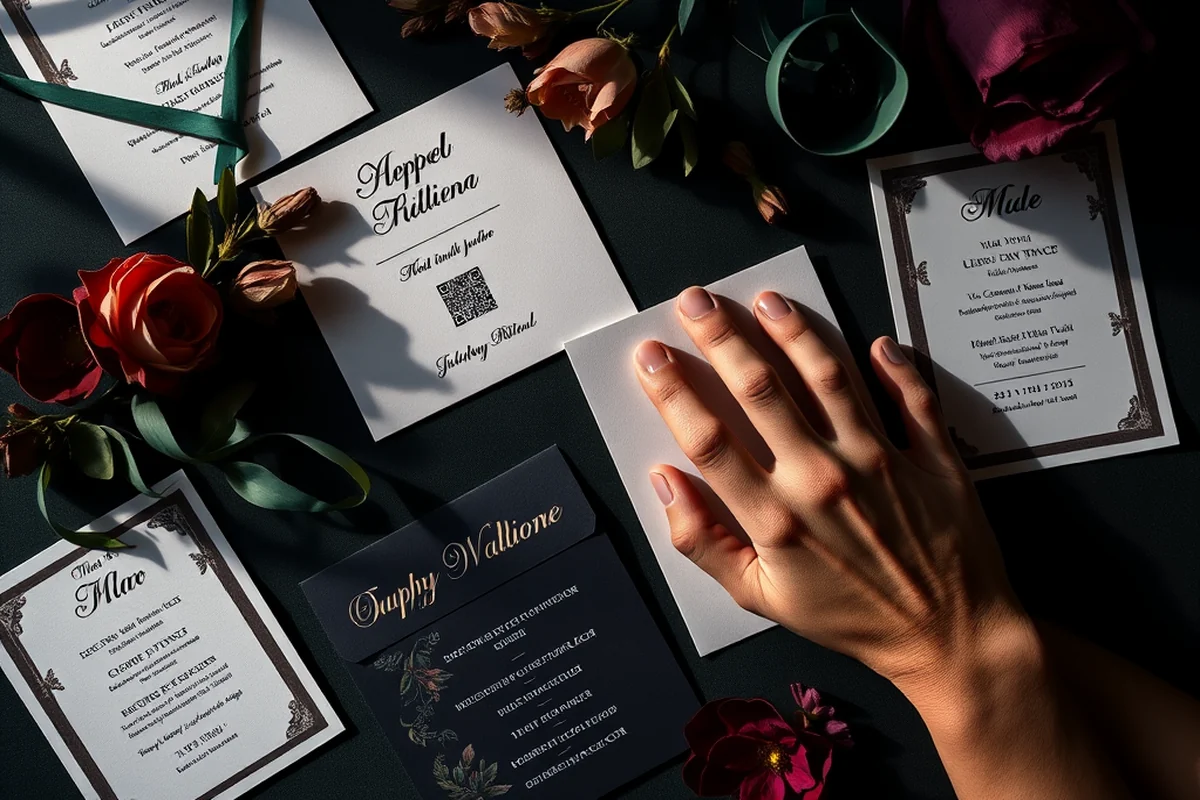
I’ve learned that the most important part of an event cost sheet is using it regularly. I don’t just create it and forget about it — I update it as I go, whether I’m negotiating with vendors or booking a last-minute addition like a photo booth.
I’ve found that using the cost sheet to compare actual costs against estimates is invaluable. For example, if I discover that my décor costs are running 20% over, I can adjust other parts of the budget accordingly. This keeps the event on track financially.
I’ve also used the cost sheet to allocate funds more wisely. If I see that one category is being underutilized, I can shift funds to where they’re needed most. This has helped me maximize my budget without sacrificing quality.
Related: Why event marketing
How to Handle Last-Minute Changes with an Event Cost Sheet
One of the biggest challenges I’ve faced is handling last-minute changes. But with an event cost sheet, I’ve been able to make those adjustments without losing control of the budget. For example, if a guest cancels, I can reallocate their portion of the budget to something else.
I’ve found that having a cost sheet makes it easier to communicate with vendors and guests. If I need to change the venue or the entertainment, I can quickly update the sheet and let everyone know how the adjustments affect the budget.
The key is to keep the sheet updated and transparent. I’ve noticed that when I share the cost sheet with my team or clients, it helps everyone stay aligned and understand where the money is going. It’s made event planning more collaborative and less stressful.
Related: What is historical events
Why You Should Share Your Event Cost Sheet with Vendors and Guests
I’ve found that sharing the event cost sheet with vendors is essential. It helps them understand your budget and what you’re looking for. I’ve had several vendors offer discounts or more flexible terms when I shared my cost sheet with them.
For guests, I’ve used the cost sheet to set expectations. If I’m hosting a birthday party, I’ll share the cost sheet with the guest of honor to ensure they understand where the money is going and can make suggestions. It’s made the planning process more inclusive and transparent.
I’ve also used the cost sheet as a communication tool with my team. When I’m planning an event, I’ll send the cost sheet to my collaborators so we can all see where the money is going and make adjustments if needed. It’s helped prevent misunderstandings and kept the event on track.
Transparency is the foundation of a well-executed event.
Related: What is event registration form
The Long-Term Benefits of Using an Event Cost Sheet
I’ve found that using an event cost sheet consistently has helped me become a more efficient planner. I know exactly how much each part of an event should cost, and I can make better decisions with budgeting and vendor selection.
Another benefit I’ve noticed is that using a cost sheet has helped me avoid overspending. I’ve had several events where I stayed under budget, which has saved me money and given me more flexibility for other parts of the event.
In the long run, I’ve found that using an event cost sheet has made me a better planner — not just financially, but in terms of execution and guest experience. It’s a tool that has helped me grow and improve with every event I’ve planned.
🎈 Budget-Friendly Birthday Party
Host a memorable birthday without breaking the bank by focusing on DIY décor and local vendors.
🛋️ Small-Space Gathering
Plan a cozy, intimate event in a small space with minimal costs and maximum impact.
🌳 Outdoor Wedding
Create a romantic outdoor wedding with cost-effective venue options and natural décor.
🍷 Grown-Up Celebration
Host an elegant, sophisticated event with curated details and a refined guest list.
💤 Low-Effort Party
Plan a stress-free event with pre-selected vendors, minimal décor, and streamlined coordination.
| The mistake | Why it happens | The fix |
|---|---|---|
| Not including a contingency fund | Not having a contingency fund can lead to unexpected costs that throw your budget off track. | Always include at least 10% of your total budget as a buffer for last-minute expenses. |
| Neglecting to track costs in real time | If you don’t update your cost sheet as you go, you may miss out on opportunities to save or adjust your budget. | Update your cost sheet regularly and use it as a living document that reflects your current spending. |
| Not negotiating with vendors | Not negotiating with vendors can lead to higher costs and missed opportunities for discounts. | Always ask for quotes and don’t be afraid to negotiate for better rates. |
| Overlooking transportation or permits | Transportation and permits are often overlooked, but they can significantly impact your total cost. | Include these costs in your budget and research the requirements for your event location. |
Event Cost Sheet
Common Questions
Can I use a simple spreadsheet for my event cost sheet?
How much should I budget for a small event?
What should I do if I’m over my budget?
Can I use the same event cost sheet for multiple events?
References
Cite this guide
Corporate Event Marketing (2026). Event Cost Sheet. https://corporatetip.com/event-cost-sheet/
Feel free to cite or share this guide.